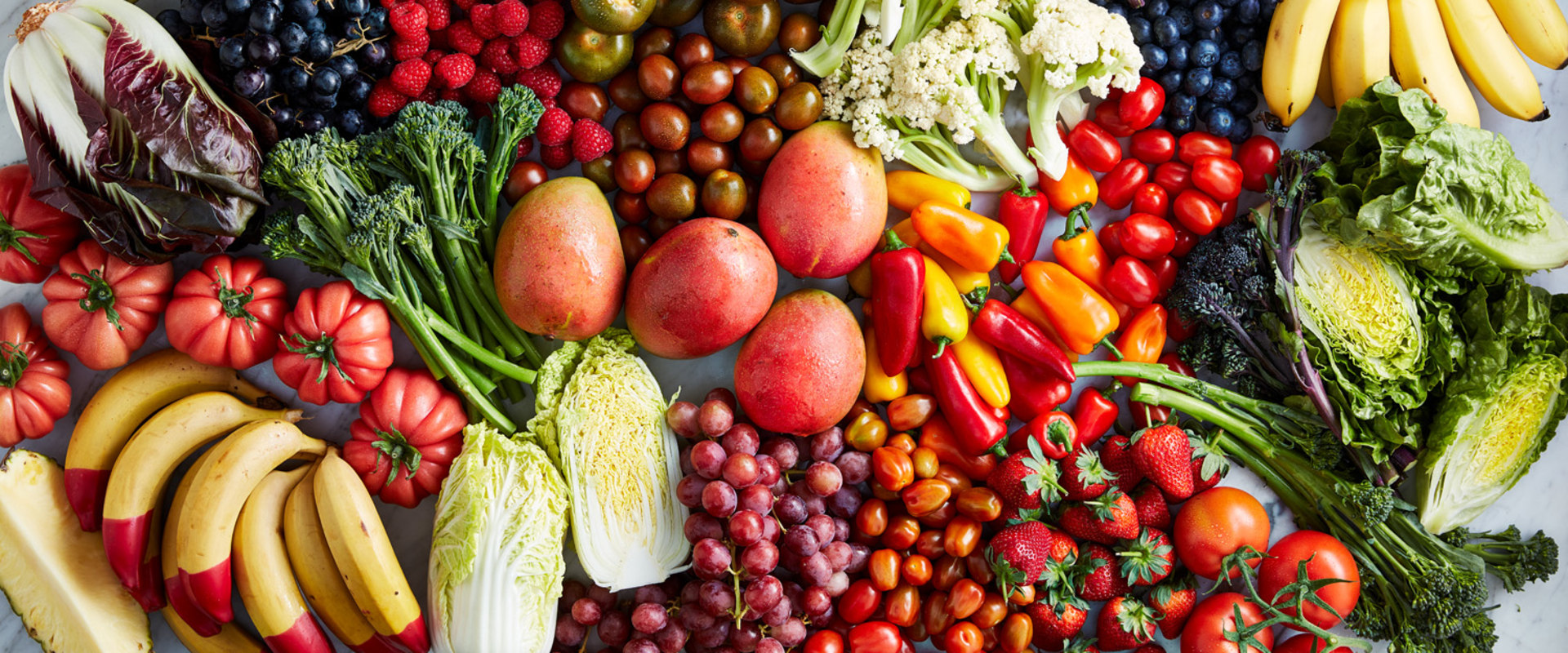
When it comes to farm produce, the terms "fruits" and "vegetables" are often used interchangeably in everyday conversation. However, understanding the fundamental differences between these two categories is essential for making informed dietary choices. At their core, fruits and vegetables serve distinct roles in the plant kingdom, and their classifications are rooted in botanical science. Botanically speaking, a fruit is defined as the mature ovary of a flowering plant, typically containing seeds. This definition encompasses a wide variety of foods that many people commonly refer to as vegetables.
For instance, tomatoes, cucumbers, and bell peppers are all classified as fruits because they develop from the flower of the plant and contain seeds. On the other hand, vegetables are derived from other parts of the plant, such as leaves (lettuce), stems (celery), roots (carrots), and bulbs (onions). This distinction is crucial for understanding how we categorize what we eat. The confusion often arises because our culinary practices categorize these foods based on taste and usage rather than their botanical definitions. For example, we tend to treat sweet fruits like strawberries and apples as snacks or desserts, while we consider savory items like spinach and broccoli as side dishes or main components of meals.
This culinary classification can lead to misconceptions about what constitutes a fruit or vegetable. As we delve deeper into the world of farm produce, it becomes clear that recognizing these differences not only enriches our understanding of nutrition but also enhances our appreciation for the diversity of foods available to us. By grasping the basic definitions and classifications of fruits and vegetables, we can better navigate our choices at the grocery store or farmer's market, ultimately leading to healthier eating habits.
Common Misconceptions About Fruits and Vegetables
When it comes to farm produce, there are numerous misconceptions that can lead to confusion about what we eat and how we categorize different foods. Understanding these myths is essential for making informed dietary choices.One of the most common misconceptions is that all sweet foods are fruits. While it’s true that many fruits are sweet, this is not a definitive rule.For instance, some vegetables, such as sweet potatoes and beets, can also have a sweet flavor profile. Additionally, certain fruits like tomatoes and avocados are not sweet at all, yet they are classified as fruits due to their botanical characteristics. This blurring of lines can lead to misunderstandings about what constitutes a fruit versus a vegetable.Another prevalent myth is the belief that all savory foods fall under the vegetable category. This is misleading because many savory dishes incorporate fruits as well.
For example, dishes featuring bell peppers, which are botanically fruits, often have a savory taste. Furthermore, ingredients like olives and cucumbers are also fruits but are commonly used in savory recipes. This misconception can limit our understanding of how versatile farm produce can be in various culinary applications.Moreover, there’s a widespread belief that eating raw vegetables is always healthier than cooked ones. While raw vegetables retain more nutrients in some cases, cooking can enhance the bioavailability of certain nutrients.
For example, cooking tomatoes increases the levels of lycopene, an antioxidant linked to numerous health benefits. Therefore, both raw and cooked forms of vegetables have their unique advantages.Lastly, many people think that organic produce is always healthier than conventional produce. While organic farming practices can reduce exposure to pesticides and promote environmental sustainability, the nutritional differences between organic and conventional produce are often minimal. It’s essential to focus on consuming a variety of fresh fruits and vegetables, regardless of their farming method.By debunking these common myths surrounding fruits and vegetables, we can make better choices about our diets and appreciate the diversity of flavors and nutrients that farm produce offers.
The Nutritional Value of Farm Produce
When it comes to maintaining a healthy lifestyle, the nutritional value of farm produce cannot be overstated.Fruits and vegetables are not only essential for a balanced diet but also offer a plethora of health benefits that can enhance overall well-being.
Fruits
are often celebrated for their natural sweetness and vibrant colors, which indicate their rich nutrient profiles. For instance, citrus fruits like oranges and grapefruits are high in vitamin C, which is crucial for immune function and skin health. Berries, such as blueberries and strawberries, are packed with antioxidants that help combat oxidative stress and inflammation in the body. Additionally, fruits like bananas provide potassium, which is vital for heart health and muscle function.On the other hand, vegetables are equally important in providing essential nutrients.
Leafy greens such as spinach and kale are excellent sources of vitamins A, C, and K, as well as minerals like iron and calcium. Cruciferous vegetables like broccoli and Brussels sprouts contain compounds that may help reduce the risk of certain cancers. Moreover, root vegetables such as carrots and sweet potatoes are rich in beta-carotene, which the body converts into vitamin A, supporting vision and immune health.Incorporating a variety of both fruits and vegetables into your diet can lead to numerous health benefits:
- Weight Management: Many fruits and vegetables are low in calories but high in fiber, helping you feel full longer.
- Digestive Health: The fiber content aids digestion and promotes regular bowel movements.
- Chronic Disease Prevention: Regular consumption of fruits and vegetables is linked to a lower risk of heart disease, diabetes, and certain cancers.
- Mood Enhancement: Nutrient-rich foods can positively affect mental health by reducing symptoms of anxiety and depression.
By understanding the unique benefits of each type of produce, you can make informed choices that support your health goals.
Seasonality and Local Sourcing: Why It Matters
When it comes to farm produce , understanding the significance of seasonality and local sourcing can profoundly impact your health, taste experience, and the environment. Consuming seasonal produce means choosing fruits and vegetables that are harvested at their peak ripeness, which not only enhances flavor but also maximizes nutritional value.Why Seasonality Matters
- Flavor: Seasonal fruits and vegetables are often fresher and more flavorful. For instance, tomatoes in summer are juicy and sweet, while winter tomatoes can be bland and mealy due to long transport times.
- Nutritional Value: Produce that is allowed to ripen naturally on the vine or plant tends to have higher nutrient levels. For example, leafy greens like spinach and kale are packed with vitamins when harvested in their prime season.
- Cost-Effectiveness: Seasonal produce is typically more affordable.
When fruits and vegetables are in season, they are abundant, leading to lower prices at local markets.
The Benefits of Local Sourcing
- Support for Local Farmers: Purchasing from local farmers helps sustain the local economy. It ensures that farmers can continue to grow food in your community, preserving agricultural land and promoting biodiversity.
- Environmental Impact: Local sourcing reduces the carbon footprint associated with transporting food over long distances. By choosing locally grown produce, you contribute to a more sustainable food system.
- Freshness: Local farm produce is often harvested just hours before it reaches your table, ensuring maximum freshness. This not only enhances taste but also retains more nutrients compared to produce that has traveled thousands of miles.
By making informed choices about what you eat, you can enjoy better flavors, enhanced nutrition, and contribute positively to the world around you.
How to Select and Store Fresh Produce
Selecting and storing fresh produce is crucial for maintaining its flavor, texture, and nutritional value. Here are some practical tips to help you choose the best fruits and vegetables at the market and store them effectively.Choosing Fresh Produce
When shopping for farm produce, consider the following guidelines to ensure you select the freshest options:- Look for Vibrant Colors: Fresh fruits and vegetables should have bright, vibrant colors. Dull or faded colors can indicate that the produce is overripe or past its prime.
- Check for Firmness: Gently squeeze fruits and vegetables to assess their firmness. They should feel solid and not overly soft or mushy, which can be a sign of spoilage.
- Avoid Blemishes: Inspect the surface for any signs of bruising, cuts, or mold.
Minor imperfections may not affect taste, but significant damage can lead to quicker spoilage.
- Smell the Produce: Fresh fruits often have a sweet, fragrant aroma. If they smell off or sour, it’s best to avoid them.
- Seasonal Selection: Opt for seasonal produce whenever possible. Not only is it fresher, but it’s also likely to be more flavorful and nutritious.
Storing Fruits and Vegetables
Proper storage techniques can significantly extend the shelf life of your fresh produce. Here are some tips:- Refrigeration: Most vegetables should be stored in the refrigerator to maintain freshness.
Leafy greens, carrots, and bell peppers thrive in cooler temperatures.
- Room Temperature: Some fruits, like bananas, avocados, and tomatoes, are best stored at room temperature until they ripen. Once ripe, they can be moved to the fridge to prolong their freshness.
- Avoid Ethylene Gas: Certain fruits emit ethylene gas, which can speed up ripening in nearby produce. Store ethylene-producing fruits like apples and bananas separately from vegetables to prevent premature spoilage.
- Use Ventilated Bags: When storing leafy greens or herbs, use perforated plastic bags or wrap them in a damp paper towel to maintain moisture without causing rot.
- Regular Checks: Periodically inspect your stored produce for any signs of spoilage. Remove any items that are starting to go bad to prevent them from affecting others.
Cooking Techniques: Maximizing Flavor and Nutrition
Cooking fruits and vegetables is not just about making them palatable; it’s also an opportunity to enhance their flavor and maximize their nutritional benefits.Different cooking methods can affect the taste, texture, and nutrient retention of these foods. Understanding the best techniques can help you make the most of your farm produce.
Best Cooking Methods for Fruits and Vegetables
Here are some effective cooking methods that can elevate the flavor and preserve the nutrients of your fruits and vegetables:- Steaming: This method is one of the best for retaining nutrients. Steaming vegetables allows them to cook quickly without losing water-soluble vitamins. For optimal results, steam until just tender to maintain a vibrant color and crisp texture.
- Sautéing: Using a small amount of healthy oil, such as olive oil, can enhance the flavor of vegetables while preserving their nutrients.
Sautéing at medium heat allows for quick cooking, which helps retain vitamins.
- Roasting: Roasting brings out the natural sweetness in vegetables like carrots and sweet potatoes. The high heat caramelizes sugars, enhancing flavor while keeping nutrients intact. Just be cautious not to overcook them.
- Blanching: This technique involves briefly boiling vegetables followed by immediate cooling in ice water. Blanching helps preserve color, texture, and nutrients, making it ideal for preparing vegetables for freezing or salads.
- Grilling: Grilling adds a smoky flavor to fruits and vegetables while allowing excess fat to drip away.
It’s particularly effective for bell peppers, zucchini, and peaches. Just be mindful of cooking times to avoid charring.
Common Mistakes That Lead to Nutrient Loss
While cooking can enhance flavors, certain practices can lead to significant nutrient loss:- Overcooking: Cooking fruits and vegetables for too long can break down essential vitamins and minerals. Aim for al dente textures where possible.
- Excessive Water Use: Boiling vegetables in large amounts of water can leach out water-soluble vitamins like vitamin C and B vitamins. If boiling is necessary, consider using the cooking water in soups or sauces.
- Peeled Produce: Peeling fruits and vegetables removes valuable nutrients found in or just beneath the skin.
Whenever possible, wash thoroughly instead of peeling.
Addressing Food Waste: When to Toss Produce?
Understanding when to discard farm produce is crucial for reducing food waste in our homes. Many people are unsure about the signs that indicate fruits and vegetables have spoiled, leading to unnecessary disposal of still-edible items. Here’s a guide to help you identify when it’s time to toss your produce.Signs of Spoilage
- Fruits: Look for signs such as soft spots, excessive wrinkling, or mold. For instance, apples may develop brown spots, while bananas can turn overly mushy.
If the fruit emits an off smell, it’s best to discard it.
- Vegetables: Check for wilting leaves, discoloration, or a slimy texture. Carrots that have become limp or potatoes with green spots should be thrown away. If you notice any signs of mold or a foul odor, it’s time to compost.
Composting Tips
Composting is an excellent way to minimize food waste while enriching your garden soil.Here are some tips for effective composting:
- Know What to Compost: Most fruits and vegetables can be composted, including peels, cores, and even wilted greens. Avoid composting meat, dairy, and oily foods as they can attract pests.
- Balance Your Greens and Browns: A successful compost pile requires a mix of nitrogen-rich greens (like vegetable scraps) and carbon-rich browns (such as dried leaves). Aim for a ratio of about 2:1.
- Aerate Your Compost: Turn your compost regularly to provide oxygen, which helps speed up the decomposition process. This will also prevent unpleasant odors.
Remember, every little effort counts in the fight against food waste!
Frequently Asked Questions About Fruits and Vegetables
When it comes to farm produce, many consumers have questions that can often lead to confusion. Here, we address some of the most frequently asked questions about fruits and vegetables, providing expert insights to help you make informed choices.1.What is the difference between organic and conventional produce?
Organic produce is grown without the use of synthetic pesticides, herbicides, or fertilizers. Instead, organic farmers rely on natural methods such as crop rotation, composting, and biological pest control. Conventional produce, on the other hand, may be treated with these chemicals to enhance growth and protect against pests.While both types can be nutritious, many consumers prefer organic for environmental and health reasons.
2.How can I tell if my fruits and vegetables are fresh?
Fresh farm produce should be vibrant in color and firm to the touch. Look for signs of wilting or discoloration, which can indicate age or spoilage. For example:- Leafy greens: Should be crisp and bright green.
- Tomatoes: Should feel slightly soft but not mushy.
- Apples: Should be firm with smooth skin.
3.Are frozen fruits and vegetables as nutritious as fresh ones?
Yes! Frozen fruits and vegetables are often picked at their peak ripeness and quickly frozen to preserve their nutrients. In some cases, they may even retain more vitamins than fresh produce that has been stored for several days.Just be cautious of added sugars or sauces in frozen products.
4.How should I store my fruits and vegetables?
Proper storage is key to maintaining freshness:- Refrigerate: Most berries, leafy greens, and cut fruits should be kept in the fridge.
- Room temperature: Tomatoes, bananas, and avocados can ripen better when left out.
- Avoid moisture: Excess moisture can lead to mold; store produce in breathable bags.
5.What are some tips for selecting seasonal produce?
Selecting seasonal fruits and vegetables not only enhances flavor but also supports local agriculture. Here are some tips:- Research local harvest seasons: Know what’s in season in your area.
- Visit farmers' markets: Engage with local farmers who can provide insights on their freshest offerings.
- Taste test: Seasonal produce is often more flavorful; don’t hesitate to sample before buying!
Conclusion: Embracing the Truth About Farm Produce
As we draw our exploration of farm produce to a close, it’s essential to reflect on the insights we’ve uncovered regarding fruits and vegetables. Understanding the true nature of these foods not only enriches our knowledge but also empowers us to make informed choices that can significantly impact our health and well-being.Throughout this article, we have debunked several common misconceptions surrounding fruits and vegetables. One of the most enlightening points is the botanical classification that distinguishes fruits from vegetables.Recognizing that items like tomatoes and cucumbers are technically fruits can shift our perspective on how we categorize and utilize these foods in our diets.Moreover, we emphasized the importance of selecting seasonal and locally sourced produce. Not only does this practice enhance the flavor and nutritional value of what we consume, but it also supports local farmers and reduces the carbon footprint associated with transporting food over long distances. By choosing fresh, in-season produce, we can enjoy a more vibrant array of flavors while ensuring that we are getting the maximum nutritional benefits.Additionally, understanding how to properly store and prepare fruits and vegetables is crucial. Knowing when to consume them at their peak freshness can prevent waste and ensure that we are enjoying them at their best.
For instance, allowing avocados to ripen at home rather than purchasing them fully ripe can lead to a more enjoyable eating experience.In conclusion, embracing the truth about farm produce is not just about knowing what to eat; it’s about fostering a deeper connection with our food sources. By appreciating the complexities of fruits and vegetables, we can cultivate healthier eating habits that benefit both ourselves and the environment. As you navigate your grocery shopping or visits to local farmers' markets, remember that every choice you make contributes to your health journey. Choose wisely, eat seasonally, and enjoy the rich diversity that nature has to offer.