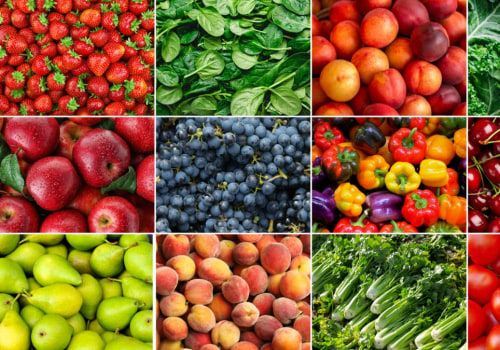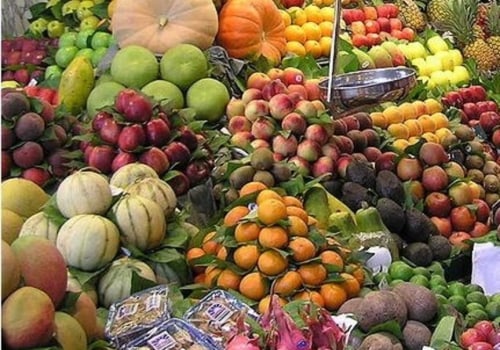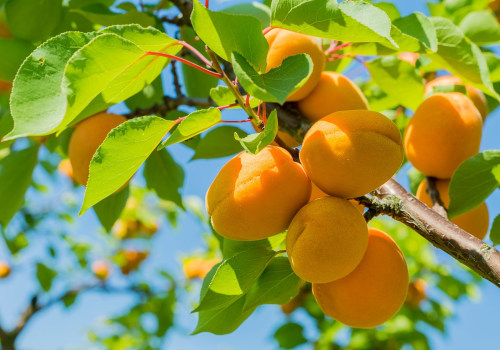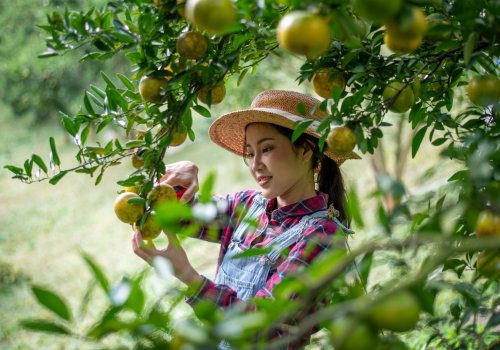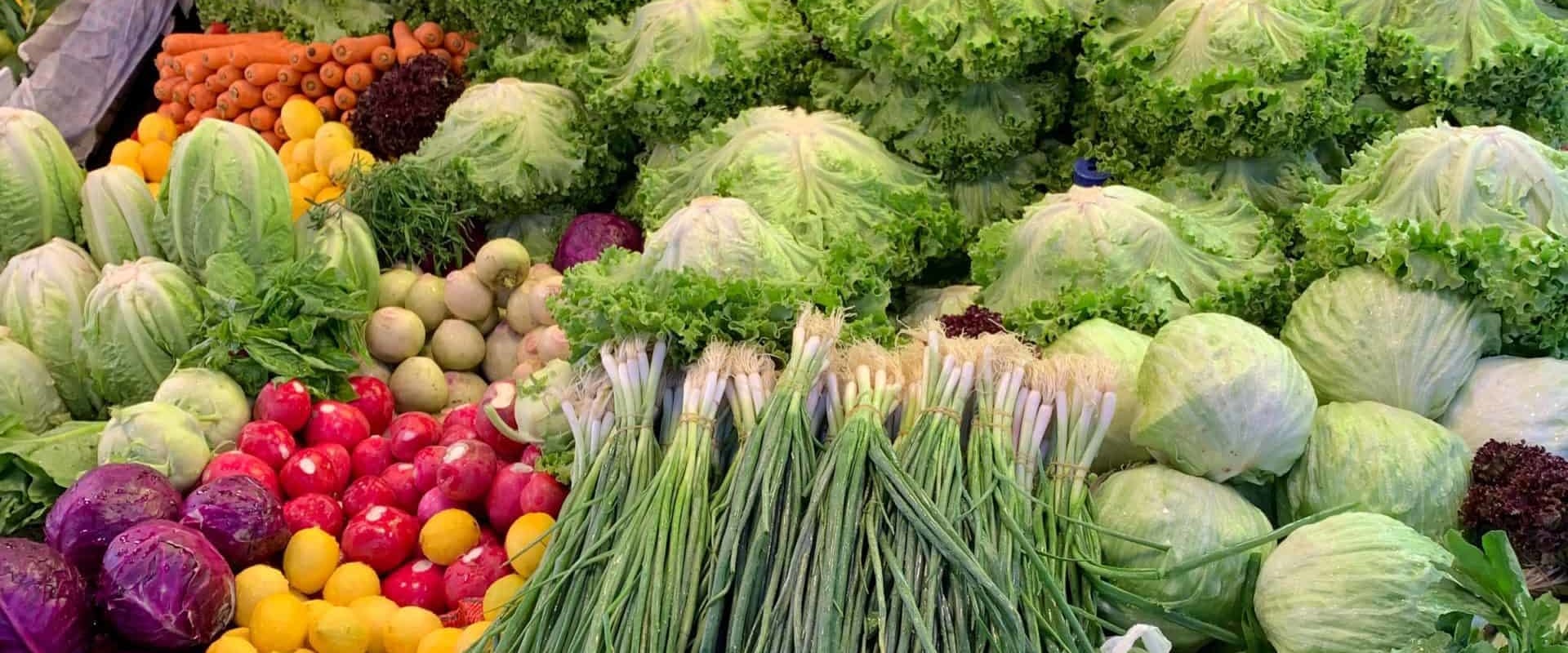
In today's fast-paced world, the significance of fresh farm produce cannot be overstated. As consumers become increasingly aware of the impact of their food choices on health and well-being, the demand for fresh, locally sourced ingredients has surged. But what exactly does it mean for food to be considered "fresh"? At its core, fresh food refers to items that are harvested and consumed with minimal processing, ensuring that they retain their natural flavors, nutrients, and overall quality. This definition extends beyond mere appearance; it encompasses the entire journey from farm to table.The importance of fresh food in our diets is profound.
Fresh farm produce is not only a source of essential vitamins and minerals but also plays a crucial role in promoting overall wellness. When we consume foods that are freshly picked and minimally processed, we are more likely to benefit from their full nutritional potential. This is particularly vital in a time when many processed foods dominate grocery store shelves, often laden with preservatives and artificial ingredients that can detract from our health.Moreover, incorporating fresh farm produce into our meals fosters a deeper connection to our food sources. It encourages us to support local farmers and sustainable agricultural practices, which can have a positive ripple effect on our communities and the environment.
By choosing fresh over processed options, we not only nourish our bodies but also contribute to a healthier planet.As we explore the multifaceted benefits of fresh food throughout this article, it becomes clear that understanding what constitutes fresh farm produce is essential for making informed dietary choices. This knowledge empowers individuals to prioritize their health and well-being while enjoying the vibrant flavors and textures that only fresh ingredients can provide.
Nutritional Benefits of Fresh Farm Produce
Consuming fresh farm produce is not just a matter of taste; it is a vital component of a healthy diet that offers numerous nutritional benefits. Fresh fruits and vegetables are packed with essential vitamins, minerals, and nutrients that play a crucial role in maintaining overall health and well-being.Vitamins and Minerals
- Vitamin C: Found abundantly in citrus fruits, strawberries, and bell peppers, vitamin C is essential for the growth and repair of tissues in the body. It also acts as an antioxidant, helping to protect cells from damage.
- Vitamin A: Carrots, sweet potatoes, and leafy greens are rich in vitamin A, which is vital for maintaining healthy vision, skin health, and immune function.
- Potassium: Fresh produce such as bananas, avocados, and spinach are excellent sources of potassium.
This mineral helps regulate blood pressure and supports proper muscle and nerve function.
- Folate: Leafy greens, beans, and citrus fruits provide folate, which is crucial for DNA synthesis and repair. It is especially important for pregnant women to support fetal development.
- Fiber: Many fresh fruits and vegetables are high in dietary fiber, which aids digestion, helps maintain a healthy weight, and lowers the risk of chronic diseases such as heart disease and diabetes.
Health Benefits
The health benefits of incorporating fresh farm produce into your diet extend beyond just providing essential nutrients. Here are some key advantages:
- Weight Management: Fresh fruits and vegetables are generally low in calories but high in volume. This means you can eat larger portions without consuming excessive calories, making them ideal for weight management.
- Reduced Risk of Chronic Diseases: A diet rich in fresh produce has been linked to a lower risk of chronic diseases such as heart disease, stroke, and certain cancers.
The antioxidants found in these foods help combat oxidative stress in the body.
- Mood Enhancement: Studies have shown that diets high in fruits and vegetables can improve mood and mental well-being. The nutrients found in fresh produce can positively affect brain health.
The Impact of Fresh Produce on Mental Health
The relationship between fresh produce and mental health is a growing area of interest in nutritional science. Numerous studies have indicated that a diet rich in fruits and vegetables can significantly enhance mood and cognitive function.This connection is not merely anecdotal; it is supported by a wealth of research that highlights the profound impact of nutrition on mental well-being.One of the primary ways that fresh produce influences mental health is through its rich nutrient profile. Fruits and vegetables are packed with essential vitamins, minerals, and antioxidants that play a crucial role in brain health. For instance, vitamin C , found abundantly in citrus fruits and leafy greens, has been linked to reduced levels of anxiety and depression. Similarly, omega-3 fatty acids , prevalent in certain vegetables like spinach and Brussels sprouts, are known to support cognitive function and emotional regulation.Moreover, the consumption of fresh produce can lead to improved gut health, which is increasingly recognized as a key player in mental health.
The gut-brain axis illustrates how gut microbiota can influence brain function and mood. A diet high in fiber from fruits and vegetables promotes a healthy gut microbiome, which can enhance the production of neurotransmitters such as serotonin—often referred to as the "feel-good" hormone.Incorporating fresh produce into daily meals can also foster a sense of well-being through the act of cooking and eating. Preparing meals with vibrant, colorful ingredients can be a therapeutic process, allowing individuals to engage with their food in a meaningful way. This mindfulness can reduce stress levels and promote a positive outlook.Additionally, studies have shown that individuals who consume more fruits and vegetables report higher levels of happiness and life satisfaction.
The reasons for this correlation may include:
- Enhanced Energy Levels: Fresh produce provides natural energy without the crash associated with processed foods.
- Improved Sleep Quality: Nutrient-rich foods contribute to better sleep patterns, which are essential for mental health.
- Social Connections: Sharing meals centered around fresh ingredients can strengthen relationships and foster community.
Supporting Local Economies Through Fresh Produce
When we choose to source fresh farm produce locally, we are not just making a dietary choice; we are actively participating in the economic vitality of our communities. The benefits of supporting local farmers extend far beyond the dinner table, creating a ripple effect that strengthens local economies and fosters community ties.Economic Impact of Local Farming
- Job Creation: Local farms are significant employers within their communities.
By purchasing from these farms, we help sustain jobs that might otherwise be at risk due to competition from larger, industrialized agricultural operations.
- Increased Local Revenue: Money spent on local produce tends to stay within the community. Studies show that for every dollar spent at a local farm, a substantial portion is reinvested back into the local economy, supporting other businesses and services.
- Reduced Transportation Costs: Sourcing food locally minimizes transportation distances, which not only reduces costs for farmers but also lowers carbon emissions associated with long-distance food transport. This environmentally friendly approach contributes to a more sustainable economy.
Community Support Through Local Produce
Buying fresh produce from local farmers markets or community-supported agriculture (CSA) programs fosters a sense of community. It encourages relationships between consumers and producers, allowing individuals to connect with the people who grow their food.
This connection can lead to:
- Enhanced Food Security: By supporting local agriculture, communities can increase their access to fresh, nutritious food. This is particularly important in areas classified as food deserts, where access to healthy options is limited.
- Cultural Exchange: Local farms often grow heirloom varieties and traditional crops that reflect the cultural heritage of the area. This not only enriches our diets but also preserves local agricultural practices and traditions.
- Community Events: Farmers markets and local food festivals create opportunities for social interaction and community engagement. These events often feature workshops, cooking demonstrations, and educational sessions that promote healthy eating and sustainable practices.
By choosing local options, we invest in our neighborhoods, create jobs, and foster connections that enhance our overall quality of life.
Fresh Produce vs. Processed Foods: A Comparative Analysis
When it comes to making dietary choices, the debate between fresh farm produce and processed foods is more relevant than ever. Understanding the differences between these two categories can significantly impact our health and well-being.Health Risks of Processed Foods
- High in Additives: Processed foods often contain a variety of additives, including preservatives, artificial flavors, and colors. These substances can have adverse effects on health, contributing to issues such as allergies and digestive problems.
- Excessive Sugar and Sodium: Many processed foods are loaded with added sugars and sodium to enhance flavor and shelf life.
High consumption of these ingredients is linked to obesity, hypertension, and other chronic diseases.
- Nutrient Deficiency: The processing of food typically strips away essential nutrients. Vitamins and minerals that are naturally present in fresh produce may be lost during manufacturing, leading to a less nutritious diet.
- Increased Risk of Chronic Diseases: Studies have shown that a diet high in processed foods is associated with an increased risk of conditions such as heart disease, diabetes, and certain cancers.
Advantages of Eating Fresh Produce
- Rich in Nutrients: Fresh farm produce is packed with vitamins, minerals, and antioxidants that are vital for maintaining good health. These nutrients support immune function, promote healthy skin, and contribute to overall vitality.
- Better Flavor: The taste of fresh fruits and vegetables is often superior to that of processed alternatives. The natural flavors are more vibrant, making meals more enjoyable and satisfying.
- Supports Local Economies: Choosing fresh produce often means supporting local farmers and businesses.
This not only helps the community but also reduces the carbon footprint associated with transporting food over long distances.
- Promotes Healthy Eating Habits: Incorporating fresh produce into your diet encourages healthier eating patterns. It can lead to increased consumption of fruits and vegetables while reducing reliance on unhealthy processed snacks.
Incorporating Fresh Farm Produce into Your Diet
Incorporating fresh farm produce into your diet can significantly enhance your nutritional intake and overall well-being.Here are some practical tips to help you eat more fresh produce, along with meal planning strategies and delicious recipe ideas.
How to Eat More Fresh Produce
- Shop Local: Visit farmers' markets or local farms to purchase seasonal produce. This not only supports local agriculture but also ensures you get the freshest ingredients available.
- Keep It Visible: Store fresh fruits and vegetables in clear containers or bowls on your kitchen counter. When they are easily accessible, you are more likely to grab them as snacks or include them in meals.
- Incorporate into Every Meal: Aim to include at least one serving of fresh produce in every meal. Add spinach or kale to your morning smoothie, toss a salad for lunch, and include roasted vegetables with dinner.
Meal Planning with Fresh Ingredients
Effective meal planning can help you make the most of fresh farm produce.Here are some strategies:
- Plan Around Seasonal Produce: Create your weekly menu based on what’s in season. This not only ensures freshness but also variety in your diet.
- Batch Cooking: Prepare large quantities of meals that incorporate fresh produce, such as soups or stir-fries, and store them in the refrigerator or freezer for quick access during busy days.
- Mix and Match: Use versatile ingredients that can be used in multiple dishes throughout the week. For example, roasted vegetables can be added to salads, wraps, or served as a side dish.
Recipes Using Farm Produce
Here are a few simple recipes that highlight the flavors of fresh farm produce:- Farmers' Market Salad: Combine mixed greens, cherry tomatoes, cucumber, radishes, and avocado. Drizzle with olive oil and balsamic vinegar for a refreshing salad.
- Vegetable Stir-Fry: Sauté a mix of bell peppers, broccoli, and snap peas in sesame oil.
Add tofu or chicken for protein and serve over brown rice or quinoa.
- Smoothie Bowl: Blend spinach, banana, and almond milk until smooth. Pour into a bowl and top with sliced fruits, nuts, and seeds for added texture and nutrition.
The Role of Fresh Produce in Nutrition Education Programs
Nutrition education programs play a pivotal role in shaping the dietary habits of individuals, particularly children and young adults. By incorporating fresh farm produce into these programs, educators can create a dynamic learning environment that not only teaches the importance of healthy eating but also fosters a deeper appreciation for food sources and sustainability.One effective approach is to integrate hands-on activities that involve fresh produce. For instance, cooking classes that utilize locally sourced fruits and vegetables allow participants to engage directly with the ingredients.This experiential learning can enhance understanding of nutritional content while also making the process of preparing meals enjoyable. When students see how vibrant and flavorful fresh produce can be, they are more likely to incorporate these foods into their diets.Moreover, nutrition education programs can leverage the concept of farm-to-table initiatives. By partnering with local farms, schools can provide students with fresh produce while teaching them about agricultural practices and the benefits of supporting local economies. This connection not only emphasizes the nutritional value of fresh foods but also instills a sense of community responsibility.In addition to practical cooking experiences, educational workshops can focus on the health benefits associated with consuming fresh produce.
Topics such as the role of antioxidants found in berries or the importance of fiber from leafy greens can be discussed in detail. By providing evidence-based information, educators empower individuals to make informed choices about their diets.Furthermore, incorporating fresh produce into wellness programs can significantly enhance their effectiveness. For example, wellness challenges that encourage participants to consume a certain number of servings of fruits and vegetables each day can motivate individuals to explore new recipes and flavors. This not only promotes healthier eating habits but also encourages social interaction as participants share their culinary creations.Ultimately, the role of fresh farm produce in nutrition education programs is multifaceted.
It serves as a tool for teaching healthy eating habits, fosters community engagement, and enhances overall wellness. By prioritizing fresh foods in educational settings, we can cultivate a generation that values nutrition and makes healthier choices for life.
Sustainability and Fresh Farm Produce: A Greener Choice
In recent years, the conversation around sustainability has gained significant traction, particularly in the context of food production. Fresh farm produce stands at the forefront of this movement, offering a viable solution to many environmental challenges we face today. By choosing locally sourced and sustainably grown foods, consumers can play a pivotal role in promoting eco-friendly practices that benefit both the planet and their health.Sustainable farming practices
are designed to minimize environmental impact while maximizing productivity.
These methods include crop rotation, organic farming, and integrated pest management, all of which contribute to healthier ecosystems. For instance, crop rotation helps maintain soil fertility and reduces the need for chemical fertilizers, while organic farming eliminates harmful pesticides that can contaminate water sources and harm wildlife.Moreover, local produce significantly reduces the carbon footprint associated with food transportation. When food is grown closer to where it is consumed, it requires less energy for shipping and storage. This not only cuts down on greenhouse gas emissions but also ensures that consumers receive fresher products that retain more nutrients and flavor.In addition to reducing transportation emissions, supporting local farmers fosters community resilience.
By purchasing from nearby farms, consumers help sustain local economies and encourage agricultural diversity. This is crucial in combating the monopolization of food systems by large corporations that often prioritize profit over environmental stewardship.Adopting eco-friendly eating habits can further enhance the positive impact of consuming fresh farm produce. Here are some practical tips:
- Choose seasonal fruits and vegetables: Eating what is in season not only supports local farmers but also ensures that you are consuming produce at its peak freshness.
- Participate in community-supported agriculture (CSA): Joining a CSA allows you to receive regular deliveries of fresh produce directly from local farms, fostering a direct connection between consumers and producers.
- Reduce food waste: Plan meals carefully and utilize leftovers creatively to minimize waste, which is a significant contributor to greenhouse gas emissions when food decomposes in landfills.
Challenges in Accessing Fresh Farm Produce
Accessing fresh farm produce is a fundamental aspect of maintaining a healthy diet, yet many communities face significant challenges in obtaining these vital resources.Understanding the barriers to accessing fresh food is crucial for developing effective solutions that can enhance availability and improve overall nutrition.One of the most pressing issues is the existence of food deserts. These are areas, often in urban or rural settings, where residents have limited access to affordable and nutritious food. Food deserts are characterized by:
- Distance to Grocery Stores: Many individuals living in food deserts must travel long distances to reach supermarkets that offer fresh produce. This can be particularly challenging for those without reliable transportation.
- Limited Retail Options: In some neighborhoods, the available stores may primarily sell processed foods with little to no fresh options, making it difficult for residents to make healthy choices.
- Economic Barriers: Even when fresh produce is available, high prices can deter low-income families from purchasing these items, leading them to opt for cheaper, less nutritious alternatives.
In some communities, there may be a lack of awareness about the benefits of consuming fresh fruits and vegetables or how to prepare them. This knowledge gap can perpetuate unhealthy eating habits.To address these challenges, several solutions can be implemented:
- Community Gardens: Establishing community gardens can empower residents to grow their own fresh produce. These gardens not only provide access to healthy food but also foster community engagement and education about nutrition.
- Mobile Markets: Introducing mobile markets that bring fresh produce directly into underserved neighborhoods can help bridge the gap between supply and demand. These markets can offer affordable prices and a variety of options.
- Partnerships with Local Farmers: Collaborating with local farmers to create direct-to-consumer sales channels can enhance access to fresh farm produce while supporting local agriculture.
- Nutritional Education Programs: Implementing educational initiatives that teach community members about the importance of fresh food and how to incorporate it into their diets can lead to healthier eating habits.
<strong>Conclusion</strong>
In summary, the significance of farm produce in our diets cannot be overstated.As we have explored throughout this article, fresh food is not merely a trend; it is a vital component of a healthy lifestyle that impacts our physical, mental, and emotional well-being. The journey from farm to table is essential in ensuring that we consume the highest quality ingredients, which are rich in nutrients and flavor.By prioritizing fresh food, we are not only enhancing our own health but also supporting local economies and sustainable farming practices. This commitment to sourcing locally allows us to enjoy seasonal produce at its peak freshness while reducing our carbon footprint. The benefits extend beyond individual health; they contribute to the vitality of our communities and the environment.Moreover, incorporating fresh farm produce into our meals fosters a deeper connection to the food we eat.
It encourages us to appreciate the hard work of farmers and the natural cycles of growth. This awareness can lead to more mindful eating habits, where we choose foods that nourish our bodies and respect the planet.As we move forward, it is crucial to advocate for policies that promote access to fresh food for all individuals, regardless of their socioeconomic status. Education plays a pivotal role in this endeavor, as understanding the importance of nutrition can empower people to make informed choices about their diets.In conclusion, embracing farm produce as a cornerstone of our nutrition not only enhances our health but also enriches our lives in numerous ways. By making conscious decisions to include fresh food in our daily meals, we can pave the way for a healthier future for ourselves and generations to come.