Farm produce is a vital component of our food system, encompassing a wide array of crops that are cultivated for consumption. This term typically refers to fresh fruits, vegetables, grains, and other edible plants that are harvested directly from farms. Understanding the nuances of farm produce is essential not only for consumers but also for professionals in the food industry. The quality and freshness of produce can significantly impact the flavor, nutritional value, and overall appeal of dishes served in restaurants, cafeterias, and homes alike.The importance of fresh produce cannot be overstated.
It serves as the foundation for a healthy diet, providing essential vitamins, minerals, and antioxidants that contribute to overall well-being. Moreover, fresh produce supports local economies and sustainable farming practices. By choosing to understand and prioritize high-quality farm produce, we can make informed decisions that benefit our health and the environment.In this guide, we will delve deeper into the various types of farm produce available in the market today, exploring their unique characteristics and culinary uses. We will also discuss the standards set by regulatory bodies to ensure quality and safety in the food supply chain.
Additionally, proper handling and storage techniques will be highlighted to help maintain the freshness and integrity of these products from farm to table. By equipping ourselves with this knowledge, we can enhance our appreciation for farm produce and elevate our culinary experiences.
Types of Farm Produce
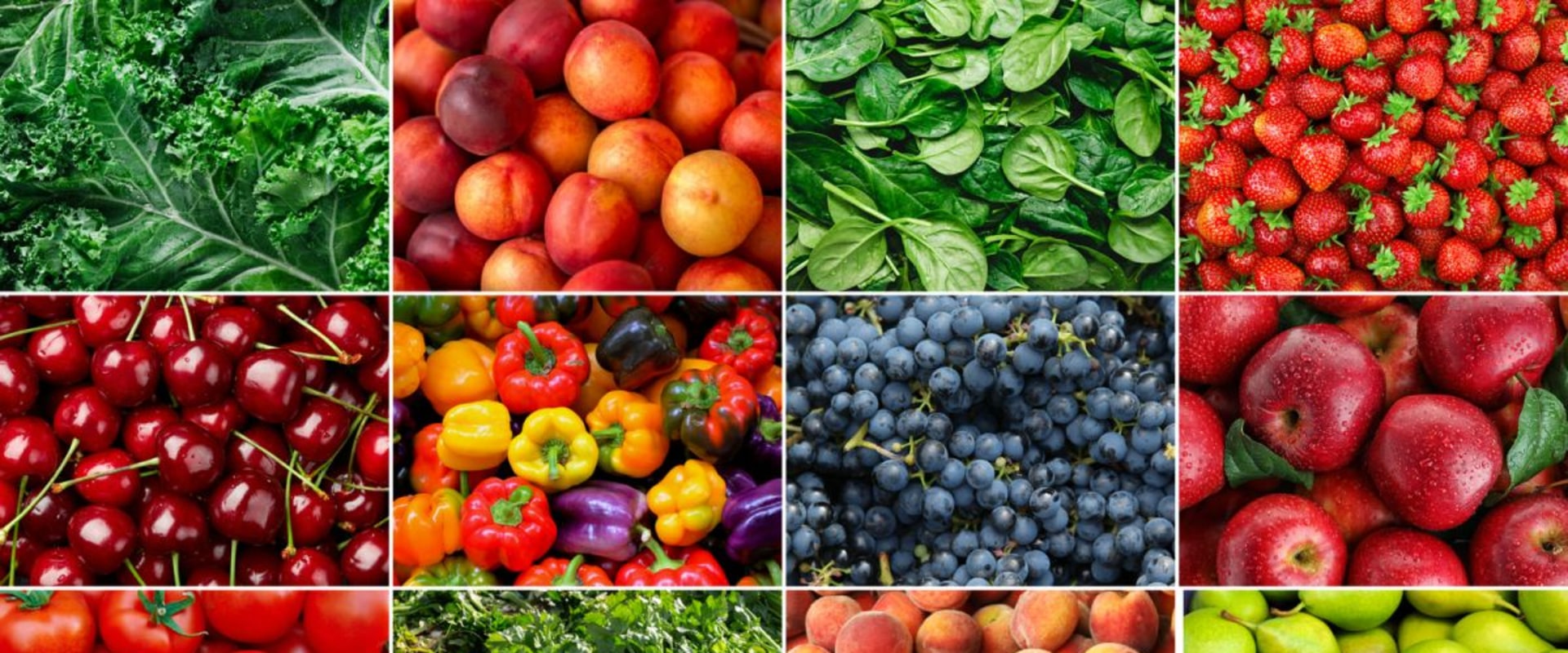
Farm produce can be broadly categorized into four main types: fruits , vegetables , grains , and legumes. Each category has its unique characteristics, culinary applications, and nutritional benefits.Fruits
Fruits are the mature ovary of flowering plants, typically containing seeds. They are often sweet or tart and are consumed raw or used in cooking and baking.Common examples include:
- Citrus Fruits: Oranges, lemons, and limes are rich in vitamin C and add a refreshing flavor to dishes.
- Berries: Strawberries, blueberries, and raspberries are packed with antioxidants and can be used in desserts, salads, or smoothies.
- Stone Fruits: Peaches, cherries, and plums have a pit in the center and are delicious when eaten fresh or used in jams.
Vegetables
Vegetables are edible parts of plants that are not fruits. They can be roots, stems, leaves, or flowers. Vegetables are essential for a balanced diet due to their high fiber content and vitamins. Some popular categories include:- Leafy Greens: Spinach, kale, and lettuce are nutrient-dense and often used in salads or smoothies.
- Root Vegetables: Carrots, potatoes, and beets provide energy and can be roasted, mashed, or used in soups.
- Cruciferous Vegetables: Broccoli, cauliflower, and Brussels sprouts contain compounds that may help reduce cancer risk.
Grains
Grains are the seeds of cereal crops and serve as a staple food source worldwide.They provide carbohydrates for energy and can be whole or refined. Key types include:
- Cereals: Wheat, rice, and corn are foundational grains that form the basis of many diets globally.
- Pseudocereals: Quinoa and buckwheat are gluten-free options that offer high protein content.
- Whole Grains: Brown rice and whole wheat flour retain their bran and germ, providing more nutrients than refined grains.
Legumes
Legumes are plants that produce pods with seeds inside. They are an excellent source of protein, fiber, and essential nutrients. Common legumes include:- Lentils: Quick-cooking legumes that are high in protein and iron; they can be used in soups or salads.
- Beans: Varieties such as black beans, kidney beans, and chickpeas are versatile ingredients in many cuisines.
- Peas: Green peas and split peas add sweetness to dishes and can be enjoyed fresh or dried.
Each category offers unique flavors, textures, and nutritional benefits that can enhance any meal.
Understanding Produce Standards and Quality
Understanding the standards and quality grading of farm produce is essential for both consumers and industry professionals. The United States Department of Agriculture (USDA) plays a pivotal role in establishing these standards, which are designed to ensure that the produce reaching consumers is of high quality and safe for consumption.Factors Influencing Produce Quality
- Size: The size of produce can significantly affect its marketability. Larger fruits and vegetables are often preferred, but this can vary by type. For instance, while larger tomatoes may be sought after, smaller varieties like cherry tomatoes can be just as desirable.
- Shape: Uniformity in shape is another critical factor.
Produce that is misshapen or irregular may be deemed less appealing, even if it is perfectly edible. Grading standards often specify acceptable shapes for various types of produce.
- Color: Color is a key indicator of ripeness and freshness. Bright, vibrant colors typically signify that the produce is at its peak quality. For example, a deep green color in leafy vegetables indicates freshness, while dull or faded colors may suggest age or poor quality.
- Defects: Any visible defects such as bruises, blemishes, or signs of decay can lead to lower grades.
The USDA has specific guidelines on what constitutes acceptable levels of defects for different types of produce.
USDA Grading Standards
The USDA categorizes produce into several grades based on the aforementioned factors. These grades include:
- Grade A: This grade represents the highest quality, with minimal defects and optimal size, shape, and color.
- Grade B: While still acceptable for consumption, Grade B produce may have slight imperfections or variations in size and shape.
- Grade C: This grade indicates that the produce has noticeable defects and may not meet the aesthetic standards for retail but is still safe to eat.
Storage Techniques for Fresh Produce
Storing fresh produce properly is essential for maintaining its quality and extending its shelf life. Different types of produce have unique storage requirements based on their specific characteristics, including temperature sensitivity and moisture needs.Below are detailed guidelines on how to store various types of farm produce effectively.
Temperature Considerations
Temperature plays a crucial role in preserving the freshness of produce. Here are some general temperature guidelines:- Refrigeration (32°F to 40°F): Most fruits and vegetables benefit from refrigeration, which slows down the ripening process and inhibits spoilage. Items like leafy greens, berries, and avocados should be stored in the refrigerator.
- Room Temperature (60°F to 70°F): Certain fruits, such as bananas, tomatoes, and avocados, should be kept at room temperature until they ripen. Once ripe, they can be moved to the refrigerator to prolong freshness.
- Cool Storage (50°F to 60°F): Some root vegetables like potatoes and onions prefer a cool, dark place rather than refrigeration.
This helps prevent sprouting and decay.
Humidity Levels
Humidity is another critical factor in produce storage. High humidity can help keep fruits and vegetables crisp, while low humidity can lead to wilting. Here are some tips:- High Humidity (90% to 95%): Leafy greens and herbs thrive in high humidity environments. Store them in perforated plastic bags or containers with a damp paper towel to maintain moisture.
- Low Humidity (70% to 80%): Apples and pears do well in lower humidity settings.
Keep them in a dry area of the refrigerator or in a fruit bowl away from moisture.
Storage Techniques by Produce Type
Here are specific storage techniques for various types of produce:- Berries: Store in the refrigerator in their original container or a breathable container to prevent mold growth.
- Citrus Fruits: Keep lemons, limes, oranges, and grapefruits in the fridge for longer shelf life; however, they can also be stored at room temperature for short periods.
- Leafy Greens: Wrap in a damp paper towel and place inside a plastic bag before refrigerating to maintain moisture without causing rot.
- Root Vegetables: Store potatoes, carrots, and beets in a cool, dark place away from direct sunlight; avoid storing them near apples as they emit ethylene gas that can cause spoilage.
Handling Produce Safely
Handling farm produce with care is essential to maintain its quality and freshness. Proper handling techniques not only prevent bruising and spoilage but also ensure that the produce retains its nutritional value and flavor. Here are some best practices for safely handling various types of produce.Gentle Handling Techniques
When it comes to handling fresh produce, gentleness is key. Here are some effective techniques to minimize damage:- Use Both Hands: Always use both hands when lifting or moving produce.
This distributes the weight evenly and reduces the risk of dropping or crushing the items.
- Avoid Squeezing: When selecting fruits or vegetables, avoid squeezing them to check for ripeness. Instead, gently press the surface with your fingertips to assess firmness without applying too much pressure.
- Support the Base: For larger items like melons or pumpkins, support the base with one hand while cradling the top with the other. This prevents the produce from rolling or falling.
Storage Considerations
Proper storage is just as important as handling. Here are some tips to keep in mind:- Temperature Control: Store produce at appropriate temperatures.
Most fruits and vegetables do best in a cool, dry place, while some items like avocados may need to ripen at room temperature before refrigeration.
- Avoid Overcrowding: When storing produce, avoid overcrowding in containers or refrigerators. This allows for proper air circulation and reduces the risk of bruising from items pressing against each other.
- Use Ventilated Containers: Utilize containers that allow for airflow, such as perforated plastic bags or baskets, to help maintain freshness and prevent moisture buildup.
Avoiding Damage During Transportation
If you are transporting produce from one location to another, consider these additional precautions:- Padded Containers: Use padded crates or boxes to cushion delicate items during transport. This helps absorb shocks and prevents bruising.
- Avoid Direct Sunlight: Keep produce out of direct sunlight during transportation to prevent overheating and spoilage.
- Secure Loads: Ensure that all items are securely packed to prevent shifting during transit, which can lead to damage.
Common Varieties of Fruits and Their Handling Needs
Fruits are a vital component of a healthy diet, offering essential vitamins, minerals, and antioxidants.Understanding the various fruit varieties and their specific handling needs is crucial for maintaining their freshness and quality. Below, we explore some common fruit varieties, including apples, bananas, and berries, along with their unique storage and handling requirements.
Apples
Apples are one of the most popular fruits in the United States, available in numerous varieties such as Fuji, Gala, Granny Smith, and Honeycrisp. Each variety has its own flavor profile and texture, making them suitable for different culinary uses.- Storage: Apples should be stored in a cool, dark place. Ideally, they should be kept in the refrigerator to prolong their freshness.
When stored at room temperature, they can ripen quickly and may become mealy.
- Handling: Handle apples gently to avoid bruising. Bruised apples not only lose their visual appeal but can also spoil faster due to increased exposure to air.
Bananas
Bananas are another widely consumed fruit known for their convenience and natural sweetness. They are typically harvested when green and ripen over time.- Storage: Bananas should be stored at room temperature until they reach the desired ripeness. Once ripe, they can be placed in the refrigerator; however, the skin may turn brown while the fruit inside remains fresh.
- Handling: To prevent bruising, avoid stacking bananas on top of each other.
Instead, store them separately or hang them from a banana hook.
Berries
Berries such as strawberries, blueberries, raspberries, and blackberries are not only delicious but also packed with nutrients. They are delicate fruits that require careful handling.- Storage: Berries should be stored in the refrigerator to maintain their freshness. It is best to keep them in their original packaging or a breathable container to prevent moisture buildup.
- Handling: Rinse berries gently just before consumption to avoid crushing them. If you notice any moldy or damaged berries in a container, remove them immediately to prevent spoilage of the others.
Proper care not only enhances the eating experience but also minimizes waste by extending the shelf life of these nutritious foods.
Common Varieties of Vegetables and Their Handling Needs
Understanding the different varieties of vegetables and their specific handling needs is essential for maintaining their quality and freshness. Vegetables can be broadly categorized into several types, including leafy greens, root vegetables, and cruciferous vegetables, each with unique characteristics and storage requirements.Leafy Greens
Leafy greens such as spinach, kale, and romaine lettuce are highly perishable and require careful handling. These vegetables thrive in cool, humid environments to prevent wilting and spoilage. Here are some key handling tips:- Storage Temperature: Leafy greens should be stored at temperatures between 32°F to 36°F (0°C to 2°C).
- Humidity Control: Maintaining high humidity levels (around 90-95%) is crucial to keep them crisp.
- Gentle Handling: Always handle leafy greens gently to avoid bruising, which can lead to faster decay.
Root Vegetables
Root vegetables like carrots, potatoes, and beets have a longer shelf life compared to leafy greens but still require specific conditions for optimal storage.Here are some handling guidelines:
- Cool Storage: Root vegetables should be kept in a cool, dark place, ideally at temperatures around 32°F to 40°F (0°C to 4°C).
- Avoid Moisture: Excess moisture can lead to rot; therefore, it’s important to store them in breathable containers.
- Regular Inspection: Check for signs of spoilage regularly and remove any affected vegetables to prevent them from impacting others.
Cruciferous Vegetables
Cruciferous vegetables such as broccoli, cauliflower, and Brussels sprouts are known for their health benefits but can be sensitive to temperature changes. Proper handling is essential:- Storage Temperature: These vegetables should be stored at temperatures between 32°F to 36°F (0°C to 2°C).
- Avoid Ethylene Gas: Keep cruciferous vegetables away from ethylene-producing fruits like apples and bananas, as this gas can cause them to spoil faster.
- Use Quickly: For the best flavor and texture, consume cruciferous vegetables within a few days of purchase.
The Role of Seasonality in Farm Produce Availability
Understanding the role of seasonality in farm produce availability is crucial for both consumers and food service professionals. Seasonal produce refers to fruits and vegetables that are harvested during their natural growing season, which varies depending on geographical location and climate. This natural cycle not only influences the availability of different types of produce but also impacts their flavor, nutritional value, and environmental sustainability.Seasonal Produce Availability
- Spring: This season typically brings a bounty of greens such as spinach, arugula, and lettuce, along with early crops like radishes and peas.
These items are often crisp and tender, making them ideal for fresh salads.
- Summer: The summer months are known for an abundance of fruits and vegetables. Tomatoes, cucumbers, zucchini, and berries are at their peak during this time. The warm weather allows these crops to develop rich flavors and vibrant colors.
- Fall: As temperatures begin to cool, root vegetables like carrots, beets, and sweet potatoes become more prevalent. Additionally, fall is the season for apples and pears, which are perfect for pies and preserves.
- Winter: While winter may seem limited in terms of fresh produce, hearty vegetables such as kale, Brussels sprouts, and winter squash thrive in cooler temperatures.
Many farmers also utilize greenhouses to extend the growing season for certain crops.
Benefits of Consuming Seasonal Produce
Eating seasonal produce offers numerous benefits:
- Nutritional Value: Fruits and vegetables harvested at their peak ripeness tend to have higher nutrient levels compared to those that are picked early and stored for long periods.
- Flavor: Seasonal produce is often more flavorful because it is allowed to grow naturally without artificial ripening processes.
- Sustainability: Consuming seasonal products reduces the carbon footprint associated with transporting out-of-season produce from distant locations. It supports local farmers and promotes sustainable agricultural practices.
- Cost-Effectiveness: Seasonal produce is usually more affordable due to its abundance during harvest time. This can lead to significant savings for consumers.
Sustainable Practices in Farm Produce Handling
In recent years, the importance of sustainable practices in the handling of farm produce has gained significant attention.As consumers become more environmentally conscious, the demand for eco-friendly methods in agriculture and food service has surged. Implementing sustainable practices not only benefits the environment but also enhances the quality and longevity of produce.
Eco-Friendly Handling Methods
One of the primary goals of sustainable produce handling is to minimize waste and reduce the carbon footprint associated with food distribution. Here are some effective eco-friendly methods:- Use of Biodegradable Packaging: Transitioning from plastic to biodegradable or compostable packaging materials can significantly reduce landfill waste. Materials such as plant-based plastics or recycled paper can be used to package fruits and vegetables.
- Temperature Control: Maintaining optimal temperature during storage and transportation is crucial for extending the shelf life of produce.
Utilizing energy-efficient refrigeration systems can help reduce energy consumption while keeping produce fresh.
- Water Conservation: Implementing water-saving techniques, such as drip irrigation and rainwater harvesting, can minimize water usage in farming. This not only conserves a vital resource but also reduces runoff and soil erosion.
Reducing Waste in Produce Handling
Reducing waste is a critical component of sustainable practices in farm produce handling. Here are some strategies to consider:- Inventory Management: Employing advanced inventory management systems can help track produce freshness and minimize overstocking. This ensures that items are sold before they spoil, reducing food waste.
- Donation Programs: Establishing partnerships with local food banks or charities allows businesses to donate surplus produce that is still safe for consumption.
This not only helps those in need but also reduces waste.
- Composting: Instead of discarding unsellable produce, consider composting it. This practice transforms organic waste into nutrient-rich soil amendments, promoting a circular economy within the agricultural sector.
<strong>Conclusion</strong>
In summary, understanding and effectively handling farm produce is essential for anyone involved in the food service industry. The journey from farm to table is intricate, requiring knowledge of various types of produce, their specific standards, and the best practices for storage and handling.As we have explored, each type of produce—from leafy greens like lettuce to creamy avocados—has its own unique characteristics and requirements.Recognizing these differences is crucial for maintaining quality and ensuring customer satisfaction. For instance, while lettuce thrives in cool, humid environments, avocados require careful monitoring of ripeness to achieve optimal flavor and texture.Moreover, adhering to the grading standards set by the USDA not only helps in selecting high-quality produce but also builds trust with consumers. By understanding the grading system, food service professionals can make informed decisions that enhance their offerings and meet customer expectations.Proper storage techniques cannot be overstated. The right conditions can significantly extend the shelf life of produce, reducing waste and maximizing profitability.
Implementing best practices such as gentle handling to prevent bruising and maintaining appropriate temperatures can make a substantial difference in the quality of the food served.Ultimately, a commitment to quality in handling farm produce reflects a dedication to excellence in the culinary arts. By prioritizing freshness and quality, food service professionals not only elevate their dishes but also contribute to a sustainable food system that values local farmers and high-quality ingredients.As you continue your journey in the food service industry, remember that knowledge is power. Stay informed about the latest trends in produce handling and storage, and always strive for improvement. Your efforts will not only benefit your business but also delight your customers with exceptional dining experiences.