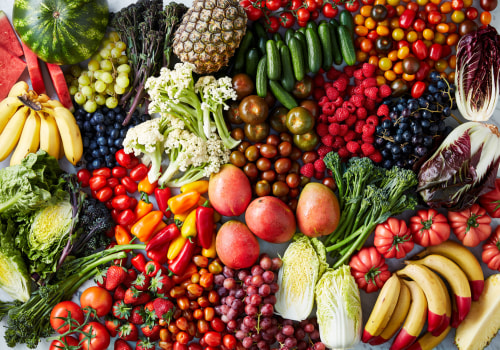
Fresh produce, often referred to as farm produce, plays a pivotal role in our diets and the overall food system. It encompasses a wide array of fruits and vegetables that are harvested at their peak ripeness, ensuring maximum flavor and nutritional value. The significance of fresh produce extends beyond mere sustenance; it is a cornerstone of healthy eating, providing essential vitamins, minerals, and antioxidants that contribute to our well-being. In a world increasingly dominated by processed foods, the importance of incorporating fresh produce into our daily meals cannot be overstated.Moreover, fresh produce is not just vital for individual health; it also supports local economies and sustainable agricultural practices.
When consumers choose to buy farm produce from local farmers' markets or community-supported agriculture (CSA) programs, they are investing in their communities and reducing their carbon footprint. This connection between consumers and producers fosters a sense of community and encourages environmentally friendly practices that benefit both the land and its inhabitants.The journey of fresh produce from farm to table is a testament to the hard work and dedication of farmers who cultivate these crops with care. Understanding the importance of fresh produce involves recognizing the challenges faced by farmers, including climate change, soil health, and market access. By supporting local farms and prioritizing fresh produce in our diets, we not only enhance our own health but also contribute to a more resilient food system that can withstand future challenges.
The Nutritional Benefits of Fresh Farm Produce
Consuming fresh farm produce is not just a culinary delight; it is a cornerstone of a healthy lifestyle.The nutritional benefits of fresh fruits and vegetables are profound, offering a wide array of vitamins, minerals, and antioxidants that play crucial roles in maintaining overall health.
Vitamins and Minerals
- Vitamin C: Found abundantly in citrus fruits, strawberries, and bell peppers, vitamin C is essential for the growth and repair of tissues in the body. It also aids in the absorption of iron from plant-based foods.
- Vitamin A: Carrots, sweet potatoes, and leafy greens are rich in beta-carotene, which the body converts into vitamin A. This vitamin is vital for maintaining healthy vision, skin health, and immune function.
- Potassium: Fresh produce like bananas, avocados, and spinach are excellent sources of potassium. This mineral helps regulate blood pressure and supports proper muscle and nerve function.
Antioxidants
Fresh farm produce is also packed with antioxidants, which help combat oxidative stress in the body.
Antioxidants such as flavonoids and carotenoids can be found in a variety of fruits and vegetables. These compounds are known to reduce inflammation and lower the risk of chronic diseases such as heart disease and cancer.Antioxidants such as flavonoids and carotenoids can be found in a variety of fruits and vegetables. These compounds are known to reduce inflammation and lower the risk of chronic diseases such as heart disease and cancer.
Fiber Content
The fiber found in fresh produce is another significant health benefit. Dietary fiber aids digestion, helps maintain a healthy weight, and lowers cholesterol levels. Foods high in fiber include apples, pears, broccoli, and beans.
Incorporating these foods into your diet can lead to improved gut health and enhanced satiety.
Hydration
Many fruits and vegetables have high water content, contributing to hydration. Cucumbers, watermelon, and oranges are not only refreshing but also help keep the body hydrated, which is essential for optimal bodily functions.In summary, the health benefits of consuming fresh farm produce are extensive. By incorporating a variety of colorful fruits and vegetables into your daily diet, you can ensure that you receive a broad spectrum of nutrients that support your overall well-being. Embracing fresh produce not only nourishes your body but also promotes a sustainable lifestyle by supporting local farmers.
Sustainability and Local Farming Practices
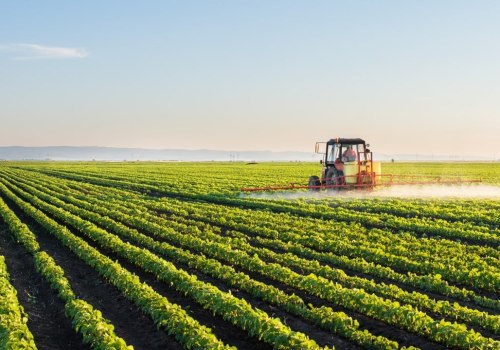
Local farms play a crucial role in the availability of fresh produce, significantly impacting both community health and environmental sustainability.By sourcing food from nearby farms, consumers can enjoy produce that is not only fresher but also more nutritious, as it is harvested at its peak ripeness and delivered quickly to local markets.One of the primary benefits of local farming is its contribution to sustainability. Local farms often employ practices that are more environmentally friendly compared to large-scale industrial agriculture. These practices include:
- Crop Rotation: This method helps maintain soil health by alternating the types of crops grown in a particular area, reducing the need for chemical fertilizers and pesticides.
- Organic Farming: Many local farms prioritize organic methods, avoiding synthetic chemicals and promoting biodiversity, which enhances ecosystem resilience.
- Water Conservation: Local farmers often utilize techniques such as drip irrigation and rainwater harvesting to minimize water waste, ensuring that this precious resource is used efficiently.
- Soil Health Management: Practices like cover cropping and composting improve soil structure and fertility, leading to healthier plants and reduced erosion.
This support helps sustain local economies by keeping money within the community and creating jobs in agriculture and related sectors.Additionally, local farms often engage in community-supported agriculture (CSA) programs, which allow consumers to buy shares of the harvest in advance. This model not only provides farmers with upfront capital but also strengthens the bond between producers and consumers, fostering a sense of shared responsibility for food quality and sustainability.In conclusion, embracing local farming practices is essential for promoting a sustainable food system. By choosing to support local farms, consumers can enjoy fresher produce while contributing to environmental health and community well-being. The ripple effects of these choices extend beyond individual health benefits, creating a more resilient food system that prioritizes sustainability for future generations.
The Economic Impact of Fresh Produce on Local Communities
The role of fresh produce in bolstering local economies cannot be overstated.When consumers choose to buy farm produce from local farmers and markets, they are not just purchasing food; they are investing in their community. This choice has a ripple effect that extends far beyond the grocery store.One of the most significant economic benefits of fresh produce is job creation. Local farms often require a diverse workforce for planting, harvesting, and distributing their products. According to the USDA, small farms are responsible for a substantial portion of agricultural employment.
By supporting these farms, communities can help sustain and create jobs that might otherwise be lost to larger, industrial agricultural operations.Moreover, local farmers' markets serve as vital hubs for small businesses. These markets provide a platform for not only farmers but also local artisans and food producers to sell their goods. This fosters a sense of community and encourages entrepreneurship. When consumers purchase from these markets, they are directly contributing to the livelihoods of their neighbors.
- Increased Local Spending: Money spent at local farmers' markets tends to circulate within the community longer than money spent at national chains.
This is known as the "multiplier effect," where each dollar spent generates additional economic activity.
- Support for Sustainable Practices: Local farms often engage in sustainable farming practices that benefit the environment and promote biodiversity. By supporting these farms, consumers are also endorsing environmentally friendly practices that can lead to long-term economic stability.
- Enhanced Food Security: Fresh produce from local sources can improve food security in communities by providing access to healthy options. This is particularly important in areas classified as food deserts, where access to fresh fruits and vegetables is limited.
This collective effort can lead to vibrant communities where small businesses thrive, jobs are created, and sustainable practices are prioritized.
Challenges Facing Fresh Produce Supply Chains
The journey of fresh produce from farm to table is fraught with numerous challenges that can significantly impact the quality and availability of these essential food items. Understanding these challenges is vital for stakeholders in the supply chain, including farmers, distributors, retailers, and consumers.One of the primary issues facing the fresh produce supply chain is from farm to table is fraught with numerous challenges that can significantly impact the quality and availability of these essential food items. Understanding these challenges is vital for stakeholders in the supply chain, including farmers, distributors, retailers, and consumers.One of the primary issues facing the fresh produce supply chain is transportation. The perishable nature of fruits and vegetables necessitates swift and efficient logistics to minimize spoilage. Delays in transportation can lead to significant losses, as many fresh products have a limited shelf life.Factors such as traffic congestion, inadequate infrastructure, and unpredictable weather conditions can exacerbate these delays. Additionally, the need for temperature-controlled transport adds another layer of complexity and cost to the logistics process.Another critical challenge is spoilage. Fresh produce is highly susceptible to deterioration due to factors like temperature fluctuations, humidity levels, and exposure to ethylene gas emitted by certain fruits. To combat spoilage, producers must implement effective handling practices throughout the supply chain.
This includes proper storage conditions at every stage—from harvesting to distribution—and utilizing advanced packaging technologies that extend shelf life.
Market access
also poses significant hurdles for many farmers. Small-scale producers often struggle to reach larger markets due to limited resources and lack of connections with distributors. This can result in an oversupply of produce in local markets while larger urban areas face shortages. Establishing cooperative networks among farmers can help improve market access by pooling resources and sharing distribution channels.Furthermore, regulatory compliance adds another layer of complexity.
Farmers must navigate a myriad of regulations concerning food safety, pesticide use, and organic certification. These regulations can vary significantly by region, making it challenging for producers who wish to expand their market reach.Lastly, consumer demand for organic and sustainably sourced products has increased pressure on farmers to adapt their practices. While this shift presents opportunities for growth, it also requires investment in new farming techniques and certifications that may not be feasible for all producers.In conclusion, addressing these challenges within the fresh produce supply chain is essential for ensuring that high-quality farm produce reaches consumers efficiently and sustainably. By improving logistics, reducing spoilage, enhancing market access, navigating regulatory landscapes, and adapting to consumer preferences, stakeholders can work together to create a more resilient supply chain.
Innovative Ways to Incorporate Fresh Produce into Your Diet
Incorporating fresh farm produce into your daily meals can be both exciting and rewarding.Not only does it enhance the flavor of your dishes, but it also boosts their nutritional value. Here are some innovative ways to make fresh produce a staple in your diet:
- Start with Breakfast: Begin your day with a vibrant smoothie packed with seasonal fruits like berries, bananas, and spinach. Blend them with yogurt or almond milk for a refreshing start. Alternatively, try adding diced tomatoes and avocados to your morning omelet for a nutritious twist.
- Creative Salads: Salads don’t have to be boring.
Experiment with different greens such as kale, arugula, or mixed baby greens. Add roasted vegetables like sweet potatoes or beets for depth of flavor. Top with nuts, seeds, or cheese for added texture and protein.
- Snack Smart: Fresh produce makes for excellent snacks. Slice cucumbers, bell peppers, or carrots and pair them with hummus or guacamole.
For a sweet treat, enjoy apple slices with almond butter or a handful of grapes.
- Flavorful Sides: Elevate your side dishes by roasting seasonal vegetables such as Brussels sprouts, zucchini, or asparagus with olive oil and herbs. This method caramelizes their natural sugars, enhancing their flavor.
- Incorporate into Main Dishes: Use fresh produce as the star of your main courses. For instance, create a vegetable stir-fry using broccoli, snap peas, and bell peppers tossed in a light soy sauce. Or prepare a hearty vegetable soup loaded with carrots, celery, and tomatoes.
- Preserve the Harvest: If you have an abundance of fresh produce, consider canning or pickling to enjoy them year-round.
Homemade pickles or jams can add unique flavors to your meals and snacks.
The Future of Fresh Produce: Trends and Innovations
The landscape of fresh produce is evolving rapidly, driven by a combination of technological advancements, changing consumer preferences, and a growing emphasis on sustainability. As we look to the future, several key trends are emerging that will shape the way we grow, distribute, and consume farm produce.1.Technological Innovations in Farming
- Precision Agriculture: This approach utilizes data analytics, GPS technology, and IoT devices to optimize farming practices. By monitoring soil health, moisture levels, and crop growth in real-time, farmers can make informed decisions that enhance yield while minimizing resource use.
- Vertical Farming: As urbanization increases, vertical farming is gaining traction.
This method allows for the cultivation of crops in stacked layers, often within controlled environments. It reduces the need for pesticides and can significantly decrease water usage compared to traditional farming.
- Hydroponics and Aquaponics: These soil-less farming techniques are becoming more popular as they allow for year-round production of fresh produce. Hydroponics uses nutrient-rich water solutions, while aquaponics combines fish farming with plant cultivation, creating a symbiotic environment.
2.Consumer Preferences Shifting Towards Sustainability
Today's consumers are increasingly aware of the environmental impact of their food choices. This awareness is driving demand for locally sourced and organic farm produce.
Shoppers are looking for transparency in sourcing and production methods, prompting retailers to highlight their partnerships with local farmers.
3.The Role of Technology in Distribution
- Blockchain Technology: This technology is being adopted to enhance traceability in the supply chain. By providing a transparent record of where produce comes from and how it has been handled, blockchain can help ensure food safety and build consumer trust.
- Online Grocery Shopping: The rise of e-commerce has transformed how consumers purchase fresh produce. Online platforms allow for greater convenience and access to a wider variety of products, including specialty items that may not be available in local stores.
Frequently Asked Questions About Fresh Produce
When it comes to fresh produce, many consumers have questions that stem from misconceptions or a lack of information.Here, we address some of the most frequently asked questions about farm produce to help clarify common doubts and enhance your understanding of this vital food category.
What is the difference between organic and conventional produce?
Organic produce is grown without the use of synthetic pesticides, herbicides, or fertilizers. Farmers who grow organic fruits and vegetables adhere to strict guidelines set by regulatory bodies. In contrast, conventional produce may be treated with these chemicals to enhance growth and protect against pests. While both types can be nutritious, many consumers prefer organic options for environmental and health reasons.How can I tell if my produce is fresh?
Fresh produce typically has vibrant colors, firm textures, and a pleasant aroma.Here are some tips to ensure you’re selecting the freshest items:
- Fruits: Look for smooth skin without blemishes or soft spots.
- Vegetables: Choose crisp vegetables that feel heavy for their size.
- Aroma: Fresh produce often has a strong, natural scent.
Are all fruits and vegetables safe to eat raw?
While many fruits and vegetables are safe to consume raw, some may pose health risks if not cooked properly. For example, certain root vegetables like potatoes should always be cooked to eliminate toxins. Additionally, leafy greens can harbor bacteria; washing them thoroughly before consumption is essential.What are the benefits of eating seasonal produce?
Eating seasonal produce not only supports local farmers but also ensures that you’re consuming fruits and vegetables at their peak flavor and nutritional value. Seasonal items are often fresher, more affordable, and have a lower environmental impact due to reduced transportation needs.How should I store fresh produce?
The storage method can significantly affect the longevity of your fresh produce.Here are some general guidelines:
- Refrigerate: Most berries, leafy greens, and certain vegetables should be stored in the fridge.
- Room Temperature: Tomatoes and bananas are best kept at room temperature until ripe.
- Avoid Moisture: Excess moisture can lead to spoilage; store produce in breathable bags or containers.
Conclusion: Embracing the Power of Fresh Produce for a Healthier Future
As we draw our exploration of the power of fresh farm produce to a close, it is essential to reflect on the myriad benefits that these vibrant foods bring to our lives. From enhancing our health to fostering sustainable practices and supporting local economies, the significance of incorporating fresh produce into our daily routines cannot be overstated.Throughout this discussion, we have highlighted how fresh produce serves as a cornerstone of a nutritious diet. The vitamins, minerals, and antioxidants found in fruits and vegetables are vital for maintaining optimal health. Regular consumption of these foods can lead to improved immune function, better digestion, and a reduced risk of chronic diseases such as heart disease and diabetes.By prioritizing fresh farm produce, we are not only nourishing our bodies but also investing in our long-term well-being.Moreover, the environmental impact of choosing fresh produce is profound. Supporting local farmers and opting for seasonal fruits and vegetables helps reduce carbon footprints associated with transportation and storage. This conscious choice promotes biodiversity and encourages sustainable farming practices that protect our planet for future generations.In addition to health and environmental benefits, fresh farm produce plays a crucial role in strengthening community ties. Farmers' markets and local co-ops create spaces where consumers can connect directly with producers, fostering relationships built on trust and transparency.
This not only empowers local economies but also cultivates a sense of community pride.In conclusion, embracing the power of fresh farm produce is not merely a dietary choice; it is a lifestyle commitment that champions health, sustainability, and community support. As we move forward, let us make a conscious effort to incorporate more fresh fruits and vegetables into our meals, celebrate the farmers who grow them, and advocate for practices that ensure their availability for generations to come. Together, we can cultivate a healthier future for ourselves and our planet.