When we think of farm produce, we often envision vibrant fruits and vegetables lining the aisles of our local grocery stores. However, the term encompasses much more than just the colorful displays we see. Farm produce refers to fresh fruits and vegetables that are cultivated and harvested specifically for human consumption. This definition highlights not only the freshness of these items but also their direct connection to agricultural practices and the land from which they originate.The significance of understanding produce extends beyond mere nutrition; it delves into the very essence of our food systems.
Knowing where our food comes from can influence our choices, encouraging us to support local farmers and sustainable practices. Fresh fruits and vegetables are not just staples in our diets; they are vital components that contribute to our overall health and well-being. They provide essential vitamins, minerals, and antioxidants that help combat diseases and promote a healthy lifestyle.Moreover, the characteristics of farm produce can vary significantly based on factors such as seasonality, soil quality, and farming methods. For instance, seasonal produce is often more flavorful and nutrient-dense because it is harvested at its peak ripeness.
Understanding these nuances can empower consumers to make informed decisions about their food purchases, leading to a more enriching culinary experience.As we explore the world of farm produce throughout this article, we will uncover the secrets behind selecting the best fruits and vegetables, understanding their health benefits, and recognizing the importance of supporting local agriculture. By gaining a deeper appreciation for what we eat, we can enhance not only our diets but also our connection to the environment and the communities that cultivate our food.
The Seasonal Nature of Produce
Understanding the seasonal nature of produce is essential for anyone looking to enhance their diet with fresh fruits and vegetables. The availability of these items is significantly influenced by the time of year, which can affect not only their taste and nutritional value but also their cost.Fruits and vegetables are typically categorized into seasons: spring, summer, fall, and winter. Each season brings a unique array of produce that thrives in specific climatic conditions.For instance:
- Spring: This season heralds the arrival of tender greens like spinach and arugula, as well as radishes and peas.
- Summer: Known for its bounty, summer offers juicy tomatoes, sweet corn, berries, and stone fruits such as peaches and cherries.
- Fall: As temperatures cool, root vegetables like carrots, beets, and squash become more prevalent, along with apples and pears.
- Winter: While options may seem limited, hearty vegetables like kale, Brussels sprouts, and winter squash are at their peak during this time.
This not only makes it easier on your wallet but also encourages a diverse diet rich in nutrients. By choosing seasonal options, you can enjoy a variety of flavors throughout the year while supporting local farmers.In addition to being fresher and more affordable, seasonal fruits and vegetables often come with enhanced nutritional benefits. Many studies suggest that produce consumed shortly after harvest retains more vitamins and minerals compared to those that have been stored for extended periods or transported over long distances.In conclusion, embracing the seasonal nature of produce can lead to a more flavorful, nutritious, and economical diet. By aligning your shopping habits with the natural growing cycles of fruits and vegetables, you not only enhance your meals but also contribute to sustainable agricultural practices.
The Dirty Dozen and Clean Fifteen: What You Should Know
When it comes to choosing farm produce, understanding the levels of pesticides present in fruits and vegetables is crucial for making informed decisions about your health.The Environmental Working Group (EWG) publishes two significant lists each year: the Dirty Dozen and the Clean Fifteen. These lists categorize produce based on their pesticide residue levels, helping consumers navigate their grocery shopping more effectively.
The Dirty Dozen
The Dirty Dozen refers to a list of twelve fruits and vegetables that have been found to contain the highest levels of pesticide residues when conventionally grown. These items are often recommended for organic purchase to minimize exposure to harmful chemicals. The current Dirty Dozen includes:- Strawberries
- Spinach
- Kale
- Nectarines
- Apples
- Grapes
- Peaches
- Cherries
- Pears
- Tomatoes
- Celery
- Potatoes
For instance, strawberries have been shown to carry residues from over 20 different pesticides, making them a top contender on this list.
The Clean Fifteen
In contrast, the Clean Fifteen is a list of fifteen fruits and vegetables that typically have lower pesticide residues. These items are generally considered safer to consume in their conventional form. The current Clean Fifteen includes:- Avocados
- Sweet Corn
- Pineapples
- Onions
- Papayas
- Sweet Peas (frozen)
- Eggplants
- Asparagus
- Cauliflower
- Cantaloupes
- Broccoli
- Mushrooms
- Cabbage
- Honeydew Melons
- Kiwis
How to Properly Wash Your Produce
Washing your produce is a crucial step in ensuring that the fruits and vegetables you consume are safe and healthy. Many people underestimate the importance of this practice, but it plays a significant role in reducing the risk of foodborne illnesses and removing harmful residues.Here’s how to properly wash your produce to maximize safety and cleanliness.
Why Washing Produce Matters
Fruits and vegetables can harbor dirt, bacteria, and pesticides that may pose health risks. Even if you plan to peel or cook your produce, washing it first is essential because bacteria can transfer from the surface to the inside during preparation. Here are some key reasons why washing your produce is vital:
- Removes Contaminants: Washing helps eliminate dirt, bacteria, and pesticide residues that may linger on the surface.
- Prevents Cross-Contamination: By cleaning your produce, you reduce the risk of transferring harmful pathogens to other foods or surfaces in your kitchen.
- Enhances Flavor: Freshly washed fruits and vegetables often taste better, as dirt and residues can dull their natural flavors.
Steps for Washing Produce Effectively
To ensure that your fruits and vegetables are thoroughly cleaned, follow these steps:
- Wash Your Hands: Before handling any produce, wash your hands with soap and water for at least 20 seconds to prevent transferring germs.
- Use Clean Water: Rinse your produce under cool running water. Avoid using soap or bleach, as these can leave harmful residues.
- Scrub Firm Produce: For items like potatoes, carrots, and cucumbers, use a clean vegetable brush to scrub the surface while rinsing.
This helps remove more dirt and bacteria.
- Soak Leafy Greens: For leafy greens such as lettuce or spinach, fill a bowl with cold water and submerge the leaves. Swish them around gently to dislodge any dirt or grit. Rinse under running water afterward.
- Dry with a Clean Cloth: After washing, dry your produce with a clean paper towel or cloth. This step can help remove any remaining bacteria that may be present on the surface.
Special Considerations
Certain types of produce require additional attention:
- Berries: Rinse berries gently under cool water without soaking them to prevent them from becoming mushy.
- Mushrooms: Wipe mushrooms with a damp cloth instead of rinsing them under water, as they absorb moisture easily.
- Citrus Fruits: Wash citrus fruits like oranges and lemons before peeling to avoid transferring contaminants from the skin to the flesh.
Nutritional Benefits of Eating Fresh Produce
Incorporating fresh produce into your diet is one of the most effective ways to enhance your overall health.Fruits and vegetables are not only delicious but also packed with essential nutrients that play a vital role in maintaining bodily functions and preventing diseases.
Vitamins and Minerals
- Vitamin C: Found abundantly in citrus fruits, strawberries, and bell peppers, vitamin C is crucial for the growth and repair of tissues in the body. It also acts as an antioxidant, helping to protect cells from damage.
- Vitamin A: Carrots, sweet potatoes, and dark leafy greens are rich in vitamin A, which is essential for maintaining healthy vision, skin, and immune function.
- Folate: Leafy greens, beans, and citrus fruits are excellent sources of folate, a B-vitamin that is particularly important for pregnant women as it supports fetal development.
- Potassium: Bananas, avocados, and potatoes are high in potassium, which helps regulate blood pressure and supports proper muscle and nerve function.
Antioxidants
Fruits and vegetables are rich in antioxidants, which help combat oxidative stress in the body. This stress can lead to chronic diseases such as heart disease and cancer. For instance:
- Berries: Blueberries and raspberries are known for their high levels of anthocyanins, powerful antioxidants that may reduce inflammation and lower the risk of heart disease.
- Cruciferous Vegetables: Broccoli and Brussels sprouts contain sulforaphane, an antioxidant that has been shown to have cancer-fighting properties.
Health Benefits
The health benefits of consuming fresh produce extend beyond just vitamins and minerals.
Regular intake of fruits and vegetables can lead to:
- Weight Management: Low in calories but high in fiber, fruits and vegetables can help you feel full longer, making it easier to maintain a healthy weight.
- Disease Prevention: A diet rich in produce has been linked to a lower risk of chronic diseases such as diabetes, heart disease, and certain cancers.
- Improved Digestion: The fiber found in fruits and vegetables aids digestion by promoting regular bowel movements and preventing constipation.
The Role of Produce in Disease Prevention
A diet abundant in farm produce plays a crucial role in preventing chronic diseases, which are among the leading causes of morbidity and mortality worldwide. Research consistently shows that individuals who consume a variety of fruits and vegetables regularly experience lower rates of conditions such as heart disease, diabetes, and certain types of cancer.One of the primary reasons for these protective effects lies in the rich array of nutrients and bioactive compounds found in fresh produce. These include:- Vitamins and Minerals: Essential vitamins such as vitamin C, vitamin A, and various B vitamins, along with minerals like potassium and magnesium, are abundant in fruits and vegetables.
These nutrients support overall health and help maintain bodily functions.
- Antioxidants: Many fruits and vegetables are rich in antioxidants, such as flavonoids and carotenoids. These compounds help combat oxidative stress in the body, which is linked to chronic diseases. For instance, berries are particularly high in anthocyanins, which have been shown to reduce inflammation and lower the risk of heart disease.
- Fiber: The high fiber content in produce aids digestion and helps regulate blood sugar levels. A diet rich in fiber can lower the risk of developing type 2 diabetes by improving insulin sensitivity.
- Phytochemicals: These naturally occurring compounds found in plants have been shown to have anti-inflammatory and immune-boosting properties.
For example, cruciferous vegetables like broccoli contain sulforaphane, which has been studied for its potential cancer-fighting properties.
Improving Digestion with Fruits and Vegetables
When it comes to maintaining a healthy digestive system, the role of fiber found in fruits and vegetables cannot be overstated.Fiber is a type of carbohydrate that the body cannot digest, which means it passes through the digestive tract largely intact. This unique property makes it essential for promoting regular bowel movements and preventing constipation.There are two main types of fiber: soluble and insoluble. Both types play crucial roles in digestive health:
- Soluble Fiber: This type dissolves in water and forms a gel-like substance in the gut. It helps to slow down digestion, allowing for better nutrient absorption.
Foods rich in soluble fiber include apples, oats, and beans.
- Insoluble Fiber: This type does not dissolve in water and adds bulk to the stool, helping it move through the digestive tract more easily. Whole grains, nuts, and many vegetables like carrots and celery are excellent sources of insoluble fiber.
- Prevention of Constipation: By adding bulk to the stool and promoting regular bowel movements, fiber helps prevent constipation. This is particularly important for maintaining overall gut health.
- Improved Gut Health: A high-fiber diet supports the growth of beneficial gut bacteria. These bacteria ferment fiber, producing short-chain fatty acids that nourish the cells lining the colon and contribute to a healthy gut environment.
- Reduced Risk of Digestive Disorders: Regular consumption of fiber-rich fruits and vegetables has been linked to a lower risk of developing conditions such as diverticulitis and hemorrhoids.
Some fruits particularly beneficial for digestion include:
- Pears: High in both soluble and insoluble fiber, pears are excellent for promoting regularity.
- Berries: Raspberries and blackberries are not only delicious but also packed with fiber.
- Bananas: A great source of soluble fiber, bananas can help regulate digestion.
Tips for Selecting Quality Produce at the Store
When it comes to grocery shopping, selecting high-quality produce is essential for ensuring that you bring home the freshest and most nutritious fruits and vegetables. Here are some practical tips to help you make informed choices when navigating the produce section of your local store.1.Assessing Appearance
The first step in selecting quality produce is to visually inspect the items. Look for:- Color: Vibrant colors often indicate ripeness and freshness.
For example, ripe tomatoes should be a deep red, while bell peppers should be bright and shiny.
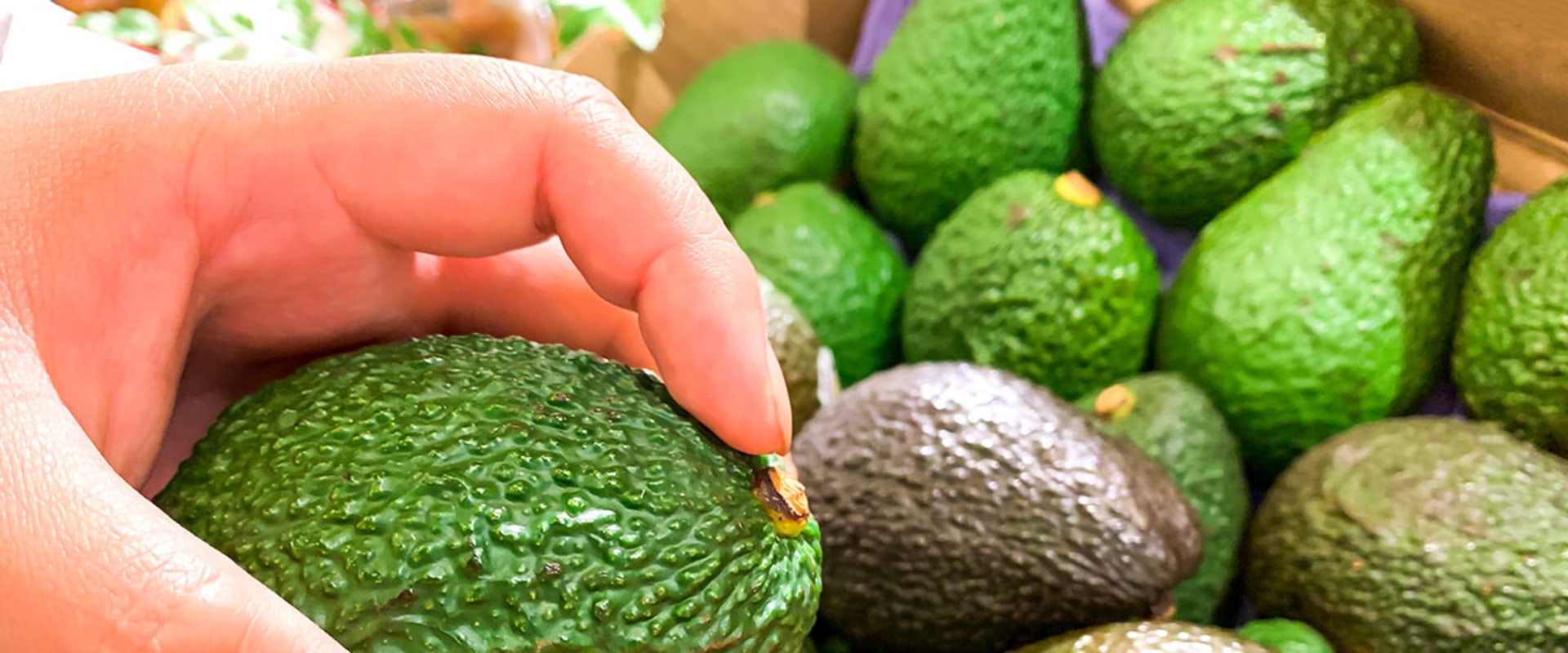
- Texture: The skin of fruits and vegetables should be smooth and free from blemishes or wrinkles. For instance, cucumbers should feel firm, while avocados should yield slightly to gentle pressure.
- Shape: Choose produce that is well-shaped and free from deformities. Odd shapes can indicate poor growing conditions or that the item is overripe.
2.Understanding Ripeness Indicators
Knowing how to determine the ripeness of various fruits and vegetables can significantly enhance your shopping experience:- Fruits: For fruits like peaches and pears, a gentle squeeze can help you gauge ripeness. They should give slightly under pressure but not feel mushy.
- Vegetables: Leafy greens should be crisp and vibrant, while root vegetables like carrots should be firm and not limp.
3.Checking Labels and Origins
Labels can provide valuable information about the produce you are purchasing:- Organic vs.
Conventional:
If you are concerned about pesticide exposure, look for organic labels on items from the Dirty Dozen. These are known to have higher pesticide residues when conventionally grown. - Local Produce: Whenever possible, choose locally grown items. They are often fresher and have a smaller carbon footprint compared to imported produce.
Storing Your Produce: Best Practices for Freshness
Proper storage of your farm produce is essential for maintaining its freshness and nutritional value.Different types of fruits and vegetables have unique storage requirements, and understanding these can significantly extend their shelf life.
Refrigeration vs. Countertop Storage
One of the first decisions to make when storing produce is whether to refrigerate or keep it at room temperature. Generally, fruits and vegetables that continue to ripen after being harvested, such as bananas, avocados, and tomatoes, should be stored at room temperature until they reach their desired ripeness. Once ripe, they can be moved to the refrigerator to prolong their freshness.On the other hand, many leafy greens, berries, and cruciferous vegetables like broccoli and cauliflower benefit from refrigeration.The cool environment slows down the decay process and helps retain their crispness. However, it’s important to store them properly:
- Leafy Greens: Wrap in a damp paper towel and place in a perforated plastic bag to maintain moisture without causing rot.
- Berries: Store in their original container or a breathable container to prevent mold growth.
- Cruciferous Vegetables: Keep in a loose plastic bag in the crisper drawer to allow for air circulation.
Extending Shelf Life
To further extend the shelf life of your produce, consider these additional tips:- Avoid Washing Before Storage: Washing can introduce moisture that promotes mold growth. Instead, wash produce just before consumption.
- Use Ethylene Gas Wisely: Some fruits emit ethylene gas, which can speed up ripening in nearby produce. Store ethylene-producing fruits like apples and bananas away from ethylene-sensitive vegetables like carrots and lettuce.
- Check Regularly: Inspect your stored produce regularly for any signs of spoilage.
Remove any spoiled items immediately to prevent them from affecting others.
<strong>Conclusion</strong>
In summary, understanding the intricacies of farm produce is essential for anyone looking to enhance their diet and overall health. The journey from farm to table is not just about the food itself; it encompasses a wealth of knowledge regarding seasonal availability, nutritional benefits, and safe consumption practices.By recognizing the significance of seasonality , consumers can make informed choices that not only support their health but also promote sustainable farming practices. Seasonal fruits and vegetables are often fresher, more flavorful, and more affordable, allowing shoppers to enjoy the best nature has to offer while also supporting local farmers.Moreover, being aware of the Dirty Dozen and Clean Fifteen lists empowers consumers to make better decisions regarding pesticide exposure. This knowledge can guide you in choosing which items to buy organic and which ones are safe to purchase conventionally grown, ultimately leading to a healthier lifestyle.The importance of washing produce cannot be overstated.Taking the time to thoroughly wash fruits and vegetables helps eliminate harmful bacteria and pesticides that may linger on their surfaces. This simple yet effective practice is a crucial step in ensuring that your meals are not only delicious but also safe for consumption.Finally, the numerous health benefits associated with consuming a diet rich in fresh produce cannot be ignored. From providing essential vitamins and minerals to reducing the risk of chronic diseases, incorporating a variety of fruits and vegetables into your daily meals is one of the best choices you can make for your health.As you navigate your grocery shopping experience, remember that each piece of farm produce carries with it a story of cultivation, care, and nutrition. By embracing this knowledge, you can transform your approach to food, making choices that nourish both your body and the planet.