In today's health-conscious society, the significance of disinfecting fresh vegetables cannot be overstated. As consumers increasingly prioritize their well-being, understanding the importance of maintaining hygiene in farm produce has become essential. Fresh vegetables, while packed with nutrients and health benefits, can also harbor harmful pathogens and pesticide residues that pose serious health risks. Contaminated produce can lead to foodborne illnesses, which affect millions of people each year, making it crucial to adopt effective disinfection practices.The journey from farm to table involves numerous stages where fresh produce can come into contact with contaminants.
From soil and water to handling by workers and transportation, each step presents an opportunity for contamination. This reality underscores the need for rigorous hygiene protocols in the agricultural sector. Disinfecting vegetables not only helps eliminate harmful microorganisms but also reduces the risk of chemical exposure from pesticides that may linger on their surfaces.Moreover, as global trade expands, the potential for cross-contamination increases. Imported vegetables may carry pathogens that are unfamiliar to local populations, heightening the risk of outbreaks.
Therefore, ensuring that all fresh produce is properly disinfected before reaching consumers is a vital public health measure. By prioritizing fresh produce hygiene , we can protect ourselves and our families from preventable illnesses while enjoying the myriad benefits that vegetables offer.
Common Contaminants Found on Fresh Vegetables
Fresh vegetables, while essential for a healthy diet, can harbor a variety of contaminants that pose risks to consumer health. Understanding these contaminants is vital for implementing effective disinfection methods to ensure the safety of farm produce.One of the most concerning types of contaminants found on fresh vegetables is microbial contamination. This includes bacteria, viruses, and fungi that can thrive on the surface of vegetables.Common bacterial pathogens such as Escherichia coli, Salmonella, and Listeria monocytogenes are often linked to foodborne illnesses. These microorganisms can originate from various sources, including contaminated water used for irrigation, soil, or even during handling and processing.In addition to microbial threats, fresh vegetables may also contain pesticide residues. Farmers often apply pesticides to protect crops from pests and diseases; however, these chemicals can remain on the surface of vegetables even after harvesting. The presence of pesticide residues raises concerns about long-term health effects, particularly with frequent consumption of contaminated produce.Another common contaminant is soil residues.
Soil can carry a range of pathogens and contaminants that cling to the surface of vegetables during growth and harvesting. Even after washing, some soil particles may remain embedded in crevices or on rough surfaces, making thorough cleaning essential.Furthermore, chemical contaminants , such as heavy metals (e.g., lead, cadmium) and industrial pollutants, can also be present in farm produce. These contaminants can enter the food chain through contaminated soil or water sources and pose serious health risks if ingested over time.To mitigate these risks, it is crucial for consumers to adopt proper washing techniques and for producers to implement effective disinfection methods. By understanding the types of contaminants that can affect fresh vegetables, we can better appreciate the importance of maintaining high safety standards in the handling and preparation of farm produce.
Health Risks Associated with Contaminated Farm Produce
Consuming contaminated farm produce poses significant health risks, primarily through the transmission of foodborne illnesses.These illnesses can arise from various pathogens, including bacteria, viruses, and parasites that may be present on the surface of fresh vegetables. The Centers for Disease Control and Prevention (CDC) estimates that each year, approximately 48 million people in the United States suffer from foodborne illnesses, leading to 128,000 hospitalizations and 3,000 deaths. This alarming statistic highlights the critical need for effective disinfection practices.Among the most common pathogens associated with contaminated vegetables are:
- Salmonella: Often linked to raw or undercooked produce, Salmonella can cause severe gastrointestinal distress.
- E. coli: Particularly dangerous strains like E.
coli O157:H7 can lead to serious complications, including kidney failure.
- Listeria monocytogenes: This bacterium can thrive in refrigerated environments and is especially harmful to pregnant women and individuals with weakened immune systems.
- Norovirus: Known as the "winter vomiting bug," Norovirus outbreaks are frequently traced back to contaminated fresh produce.
By prioritizing proper disinfection methods, we can help ensure that fresh vegetables remain a safe and nutritious part of our diets, ultimately reducing the incidence of foodborne illnesses.
Effective Disinfection Methods for Fresh Vegetables
Ensuring the safety of fresh vegetables through effective disinfection methods is crucial for public health. Various techniques can be employed to eliminate harmful microorganisms and pesticide residues from farm produce, each with its own advantages and limitations.Chemical Disinfection Methods
Chemical treatments are among the most common methods used for disinfecting fresh vegetables. Here are some widely used chemical agents:- Chlorine: Chlorine solutions are frequently used in the food industry due to their effectiveness in killing bacteria and viruses. A typical concentration is 50-200 ppm (parts per million).
However, it is essential to rinse the vegetables thoroughly after treatment to remove any residual chlorine.
- Chlorine Dioxide: This alternative to chlorine is gaining popularity because it is less likely to form harmful byproducts. Chlorine dioxide can effectively reduce microbial load without leaving a strong taste or odor.
- Ozone: Ozone gas is a powerful oxidizing agent that can disinfect vegetables without leaving chemical residues. It works effectively against bacteria, viruses, and fungi, making it a safe option for organic produce.
- Hydrogen Peroxide: This compound is effective against a wide range of pathogens and can be used in concentrations of 1-3%. It breaks down into water and oxygen, making it an environmentally friendly choice.
Physical Disinfection Methods
In addition to chemical treatments, physical methods can also be employed to disinfect fresh vegetables:- Hot Water Treatment: Soaking vegetables in hot water (around 60°C or 140°F) for a few minutes can effectively kill pathogens.
This method is particularly useful for leafy greens.
- Steam Treatment: Steaming vegetables not only disinfects but also preserves their nutritional value. This method is effective for both surface and internal contaminants.
- Ultraviolet (UV) Light: UV light can be used to disinfect surfaces of vegetables by damaging the DNA of microorganisms. This method is chemical-free and leaves no residues, making it an attractive option for food safety.
Natural vs.
Chemical Disinfectants: Pros and ConsWhen it comes to disinfecting fresh vegetables, the choice between natural and chemical disinfectants is crucial for ensuring food safety while also considering health and environmental impacts. Each type of disinfectant has its own set of advantages and disadvantages that can influence consumer choices.
Natural Disinfectants
Natural disinfectants, often derived from plant-based sources, have gained popularity due to their perceived safety and environmental friendliness. Common examples include:- Vinegar: Known for its acetic acid content, vinegar can effectively reduce bacteria on the surface of vegetables. However, its strong odor and potential to alter the taste of produce may deter some users.
- Lemon Juice: The citric acid in lemon juice not only acts as a natural disinfectant but also adds a refreshing flavor.
It is particularly effective against certain pathogens.
- Baking Soda: This common household item can help remove pesticide residues when mixed with water. It is gentle on produce but may require thorough rinsing to avoid any residual taste.
Chemical Disinfectants
Chemical disinfectants, such as chlorine-based solutions, are widely used in commercial settings due to their proven effectiveness in eliminating a broad spectrum of microorganisms. Some pros and cons include:- Pros:
- High Efficacy: Chemical disinfectants are highly effective at killing bacteria, viruses, and fungi, making them a reliable choice for food safety.
- Quick Action: Many chemical solutions work rapidly, allowing for efficient processing in commercial environments.
- Cons:
- Pesticide Residues: Some chemical disinfectants may leave harmful residues if not rinsed properly, raising concerns about long-term health effects.
- Environmental Impact: The use of harsh chemicals can contribute to environmental pollution if not managed correctly.
Consumers should weigh these factors carefully to make informed decisions that align with their values and health considerations.
Best Practices for Washing and Disinfecting Fresh Vegetables at Home
Ensuring the safety of your food begins with proper washing and disinfecting of fresh vegetables. Here are some best practices to follow when preparing your farm produce at home:- Start with Clean Hands: Before handling any vegetables, wash your hands thoroughly with soap and water for at least 20 seconds. This step is crucial to prevent transferring any bacteria from your hands to the produce.
- Use Clean Equipment: Ensure that all cutting boards, knives, and utensils are clean. Consider using separate cutting boards for vegetables and meats to avoid cross-contamination.
- Rinse Under Running Water: For most vegetables, rinsing under cool running water is sufficient.
Use your hands to gently rub the surface of the vegetables to remove dirt and residues. Avoid using soap or bleach, as these can leave harmful residues.
- Soak for Tougher Contaminants: For leafy greens or vegetables with crevices, such as broccoli or cauliflower, consider soaking them in a bowl of cold water for a few minutes. This can help dislodge dirt and insects.
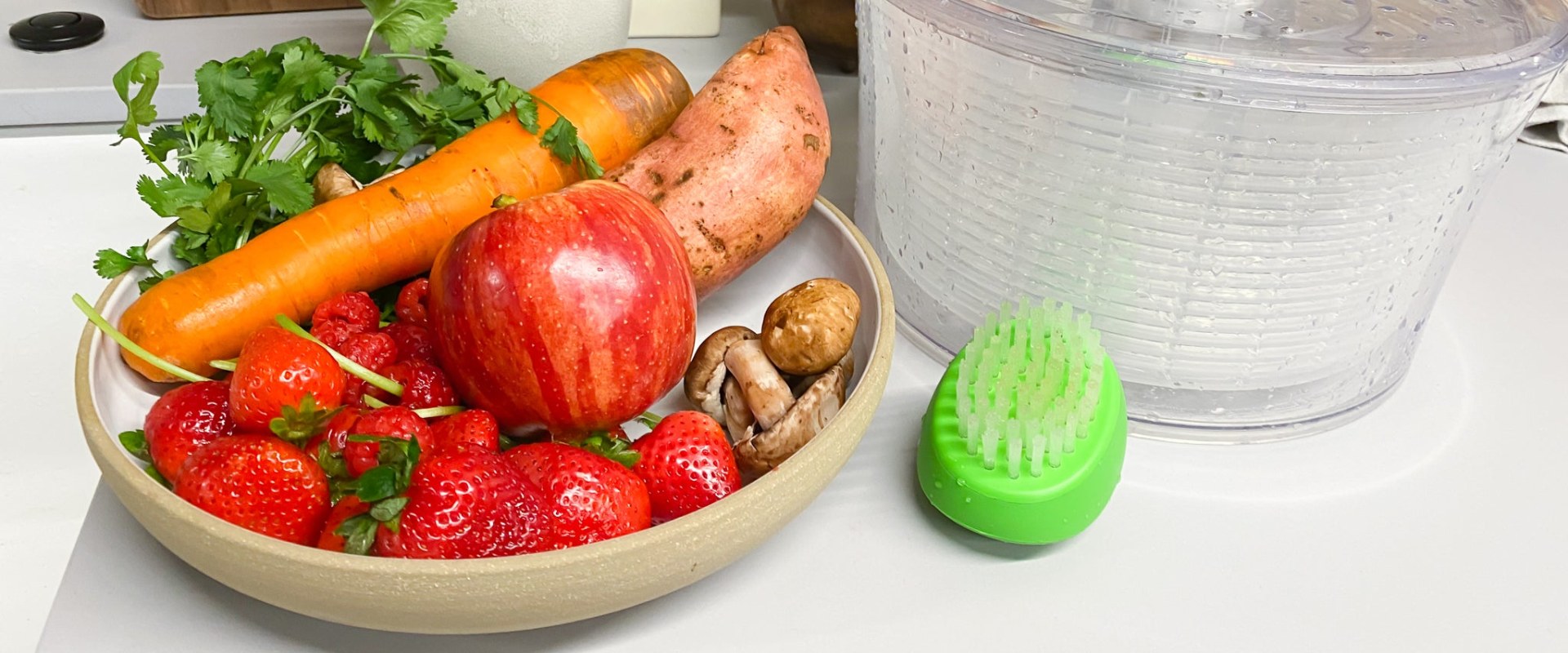
- Use a Vegetable Brush: For firm-skinned vegetables like potatoes or cucumbers, use a clean vegetable brush to scrub the surface while rinsing. This helps remove more stubborn dirt and pesticide residues.
- Disinfect with Vinegar or Salt Water: To further disinfect your produce, you can soak vegetables in a solution of vinegar (1 part vinegar to 3 parts water) or salt water (1 teaspoon of salt per cup of water) for about 5-10 minutes.
Rinse thoroughly afterward to remove any residual taste.
- Dry with a Clean Cloth: After washing, dry your vegetables with a clean cloth or paper towel. This step not only helps remove any remaining contaminants but also reduces moisture that can promote bacterial growth.
- Avoid Washing Before Storage: It’s best to wash vegetables just before you plan to use them rather than before storing them. Excess moisture can lead to spoilage during storage.
The Role of Farmers and Producers in Ensuring Safe Farm Produce
Farmers and producers play a pivotal role in ensuring the safety of farm produce from the moment it is planted until it reaches consumers' tables. Their responsibilities extend beyond mere cultivation; they are the first line of defense against potential contaminants that can compromise food safety.Implementing Safe Farming Practices
- Soil Management: Healthy soil is fundamental to producing safe vegetables.
Farmers must regularly test soil for contaminants and maintain proper nutrient levels to promote robust plant growth.
- Pest Control: Integrated Pest Management (IPM) strategies are essential. Farmers should utilize biological controls and organic pesticides whenever possible, minimizing chemical residues on produce.
- Water Quality: Irrigation water must be free from pathogens. Regular testing of water sources ensures that any harmful microorganisms are identified and addressed before crops are irrigated.
Hygiene Standards in Handling
Once harvested, the handling of fresh produce is critical. Farmers and producers must adhere to strict hygiene protocols to prevent contamination:
- Personal Hygiene: Workers should be trained in proper handwashing techniques and the use of protective gear to minimize the risk of transferring pathogens from hands to produce.
- Equipment Sanitation: All tools and machinery used in harvesting and processing should be regularly cleaned and sanitized to eliminate any residual contaminants.
- Storage Conditions: Proper temperature control during storage is vital.
Produce should be kept at appropriate temperatures to inhibit microbial growth, ensuring that it remains safe for consumption.
Traceability and Transparency
The responsibility of farmers does not end with production; they must also ensure traceability throughout the supply chain. This involves keeping detailed records of farming practices, pesticide applications, and harvest dates. Such transparency allows for quick responses in case of food safety issues, enabling producers to identify potential sources of contamination swiftly.In conclusion, the role of farmers and producers in maintaining hygiene standards is crucial for delivering safe farm produce. By implementing safe farming practices, adhering to hygiene protocols, and ensuring traceability, they contribute significantly to public health and consumer confidence in fresh produce.
Regulatory Standards and Guidelines for Disinfecting Fresh Produce
Ensuring the safety of fresh produce is paramount, and this is governed by a variety of regulatory standards and guidelines that farmers and producers must follow.These regulations are designed to minimize the risk of contamination and ensure that the food reaching consumers is safe for consumption.In the United States, the Food and Drug Administration (FDA) plays a crucial role in establishing food safety regulations for fresh produce. The FDA's Food Safety Modernization Act (FSMA) emphasizes preventive measures to ensure that food is safe from farm to table. Under FSMA, growers are required to implement practices that reduce the risk of contamination, including proper disinfection methods for vegetables.
Guidelines for Disinfecting Vegetables
The FDA provides specific guidelines for disinfecting fresh produce, which include:- Water Quality: Water used for washing and rinsing vegetables must be potable and free from harmful microorganisms.
- Disinfectant Use: Approved disinfectants such as chlorine, ozone, or hydrogen peroxide should be used according to recommended concentrations and contact times to effectively reduce microbial load.
- Equipment Sanitation: All equipment used in the washing and disinfection process must be regularly cleaned and sanitized to prevent cross-contamination.
- Employee Training: Workers should be trained in proper hygiene practices to prevent contamination during handling.
- Pest Control: Effective pest management strategies must be implemented to minimize risks associated with pests that can carry pathogens.
- Traceability Systems: Producers should maintain records that allow for traceability of their products, ensuring accountability in case of a food safety issue.
As global trade increases, adherence to international standards set by organizations such as the World Health Organization (WHO) and the Codex Alimentarius Commission becomes increasingly important. These organizations provide frameworks that guide countries in establishing their own food safety regulations, ensuring a consistent approach to disinfecting fresh produce worldwide.In conclusion, understanding and adhering to regulatory standards and guidelines for disinfecting fresh produce is essential for farmers and producers. By implementing these practices, they can significantly reduce the risk of contamination, thereby safeguarding public health and maintaining the integrity of their products.
Future Trends in Vegetable Disinfection Techniques
As the demand for fresh vegetables continues to rise, so does the need for effective and innovative disinfection techniques. The future of vegetable disinfection is poised to undergo significant transformations, driven by advancements in technology and a growing emphasis on food safety practices.One of the most promising trends is the integration of non-chemical disinfection methods.Techniques such as ultraviolet (UV) light and plasma technology are gaining traction due to their ability to eliminate pathogens without leaving harmful residues. UV light, for instance, has been shown to effectively reduce microbial loads on the surface of vegetables while preserving their nutritional quality. Similarly, plasma technology utilizes ionized gas to disrupt microbial cell membranes, offering a chemical-free alternative that is both efficient and environmentally friendly.Another area of innovation is the use of natural antimicrobial agents. Research is increasingly focusing on plant-based extracts and essential oils that possess inherent disinfecting properties.
Substances like citrus extracts and vinegar have demonstrated effectiveness in reducing bacterial contamination on fresh produce. These natural alternatives not only enhance food safety but also align with consumer preferences for organic and sustainable products.The rise of smart technology in agriculture is also influencing vegetable disinfection practices. The implementation of sensors and IoT (Internet of Things) devices allows for real-time monitoring of microbial levels on farm produce. This data-driven approach enables growers to apply disinfection methods more precisely, reducing waste and improving overall efficiency.Moreover, advancements in automated cleaning systems are set to revolutionize how vegetables are disinfected post-harvest.
Automated systems equipped with advanced robotics can ensure consistent application of disinfectants while minimizing human error. These systems can be programmed to adapt to different types of produce, ensuring optimal cleaning protocols tailored to specific vegetables.In conclusion, the future of vegetable disinfection is bright, characterized by innovative technologies that prioritize both food safety and environmental sustainability. As these trends continue to evolve, they promise not only to enhance the safety of fresh produce but also to meet the growing consumer demand for cleaner, safer food options.
<strong>Conclusion</strong>
In conclusion, the significance of disinfecting fresh vegetables cannot be overstated, especially in the context of ensuring the safety and quality of farm produce. As consumers become increasingly aware of food safety issues, the demand for clean and safe produce continues to rise.The methods employed to disinfect vegetables play a crucial role in mitigating health risks associated with microbial contamination and pesticide residues.It is essential for both producers and consumers to understand that the journey of fresh produce from farm to table involves multiple stages where contamination can occur. From the moment vegetables are harvested, they are exposed to various environmental factors that can introduce harmful pathogens. Therefore, implementing effective disinfection practices is vital not only for public health but also for maintaining consumer trust in agricultural products.Moreover, as global trade in fresh produce expands, the potential for foodborne illnesses linked to contaminated vegetables increases. This highlights the need for standardized disinfection protocols that can be adopted across different regions and farming practices.
By utilizing advanced techniques such as ozone treatment , hydrogen peroxide , and other innovative methods, we can enhance the safety of our food supply while minimizing the use of harsh chemicals.Furthermore, educating consumers about proper handling and washing techniques at home is equally important. Simple practices such as rinsing vegetables under running water and using designated cleaning solutions can significantly reduce the risk of contamination before consumption.In summary, the importance of disinfecting fresh vegetables extends beyond mere compliance with safety regulations; it is a fundamental aspect of ensuring that farm produce remains a healthy choice for consumers. As we continue to explore new technologies and methods for disinfection, it is imperative that we prioritize food safety to protect public health and promote sustainable agricultural practices.